Explore how clothing evolved from practical wear to a global fashion statement, reflecting culture, identity, technology, and sustainability in the modern era.
Below, TEACHING will provide some explanations regarding Reinventing Learning Systems for an Innovation-Driven Future.
From Function to Fashion
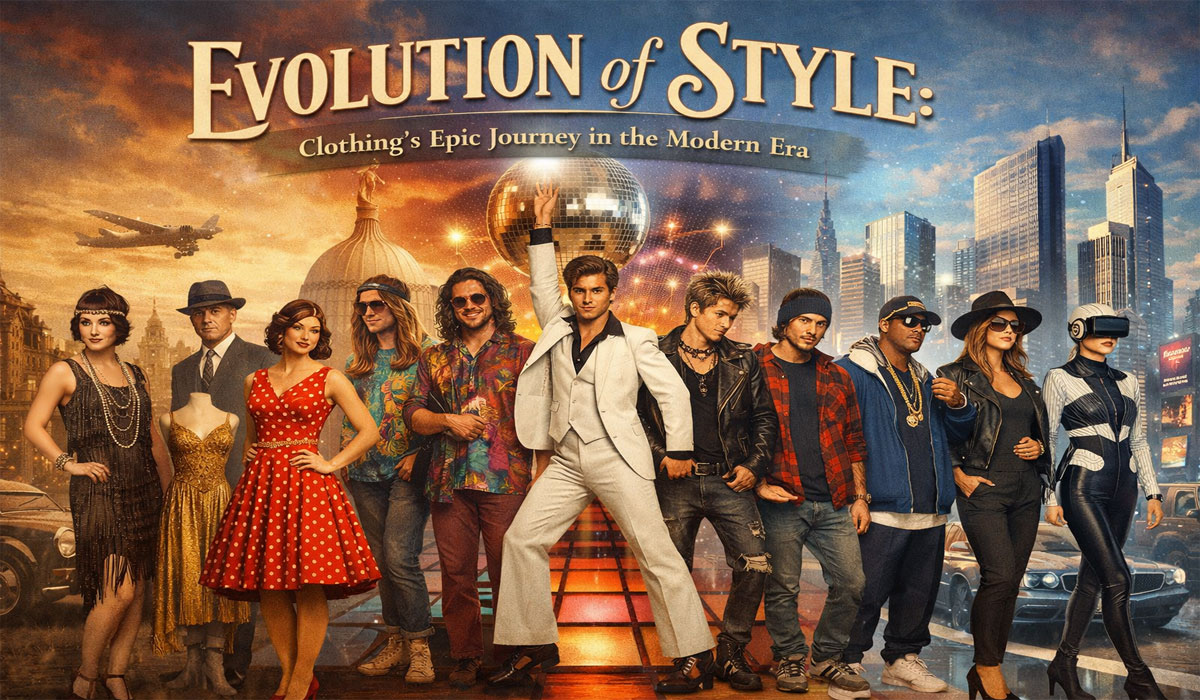
Clothing has always been more than just a necessity; it is a reflection of human identity and societal change. In the early modern era, garments were primarily designed for practicality, warmth, and protection. Fabrics like wool, cotton, and linen were essential for daily life, and styles were often dictated by climate and availability. Over time, however, clothing evolved to incorporate elements of personal expression. People began to choose colors, patterns, and materials not just for survival but to signal social status, profession, and personality.
The 20th century brought a remarkable shift in how clothing was perceived. Industrialization and mass production allowed for wider access to various styles, making fashion a part of everyday life rather than a privilege of the elite. Designers emerged as influential figures, turning clothing into statements of culture, lifestyle, and innovation. The combination of practicality and aesthetic appeal became central to modern wardrobes, shaping how societies approached self-expression through dress. Today, clothing is both a tool for comfort and a canvas for individual storytelling.
The Rise of Streetwear and Casual Culture
The late 20th century saw the emergence of streetwear as a defining trend in modern clothing. Rooted in urban culture, skateboarding, and music scenes, streetwear emphasized comfort, identity, and accessibility. Hoodies, sneakers, and graphic tees became symbolic of a generation seeking self-expression outside traditional fashion norms.
Streetwear also influenced global fashion trends by blending culture, art, and commerce. Collaborations between designers and brands bridged luxury and casual markets, creating highly sought-after pieces that blurred the line between everyday wear and high fashion. Social media amplified these trends, giving rise to a generation that could instantly share and consume styles from across the world.
Read Also: Transforming the Fashion Market: Expression of Personal Style
Sustainable Fashion and Ethical Choices
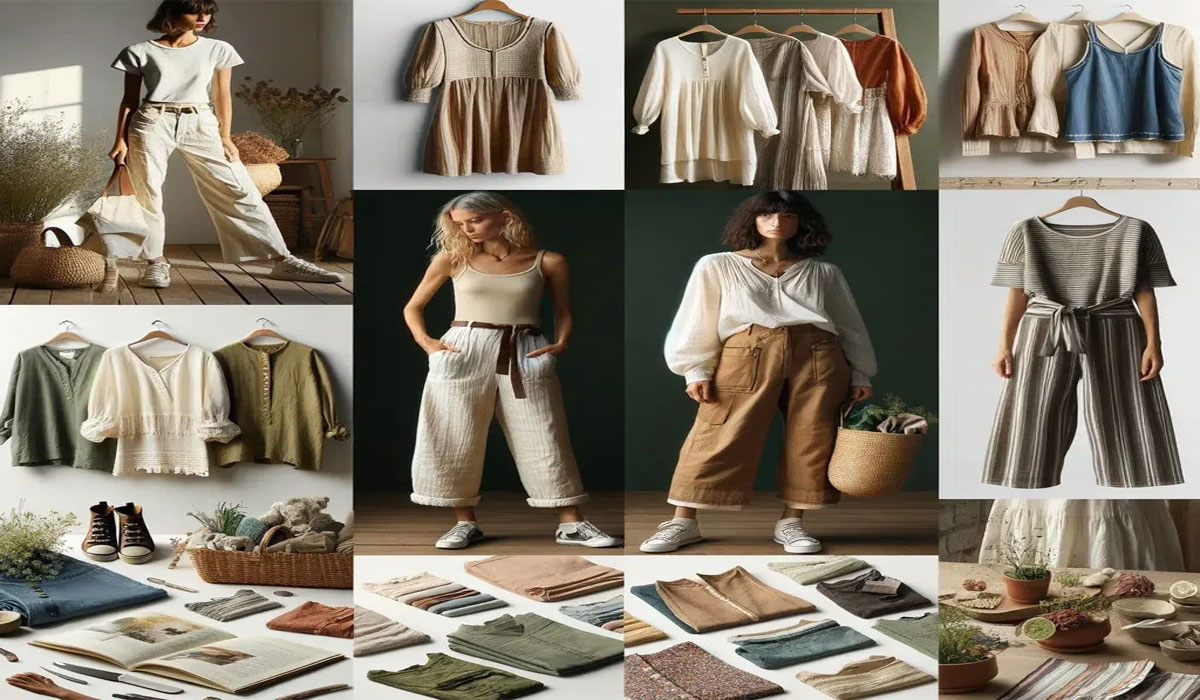
In the 21st century, the focus on sustainability has dramatically transformed the clothing industry. Consumers are increasingly aware of the environmental impact of fast fashion, which relies on mass production and disposable trends. Modern clothing now often reflects ethical choices, from eco-friendly materials like organic cotton and recycled fabrics to fair labor practices and transparent supply chains.
Sustainable fashion has also sparked creativity in new ways. Upcycling, slow fashion, and versatile clothing concepts encourage consumers to rethink how they purchase, wear, and preserve garments. Digital platforms provide education and inspiration, helping people make informed choices while still enjoying style. This shift represents a major step in the evolution of clothing, where consumers not only wear fashion but also participate in a global conversation about sustainability, responsibility, and long-term impact.
Technology and the Future of Clothing
The integration of technology into fashion is shaping the next chapter of clothing’s epic journey. Smart fabrics, wearable technology, and 3D-printed garments are transforming how people experience style and function. Clothing can now monitor health, adapt to climate conditions, or even change appearance at the touch of a button. These innovations redefine what it means to dress in the modern era, merging aesthetics, convenience, and functionality in unprecedented ways.
Moreover, technology is reshaping how fashion is designed, produced, and consumed. Virtual fittings, AI-driven design tools, and online customization allow individuals to express their unique style while minimizing waste. The digital revolution has also accelerated fashion trends, enabling global audiences to interact with and influence styles instantaneously.
For the latest and most interesting related information, you can also click the TEACHING link.
Image Source:
First Image from fashionmarket.uk
Second Image from glamobserver.com
