The global fashion market has evolved into one of the most fast-moving and influential economic sectors in the world.
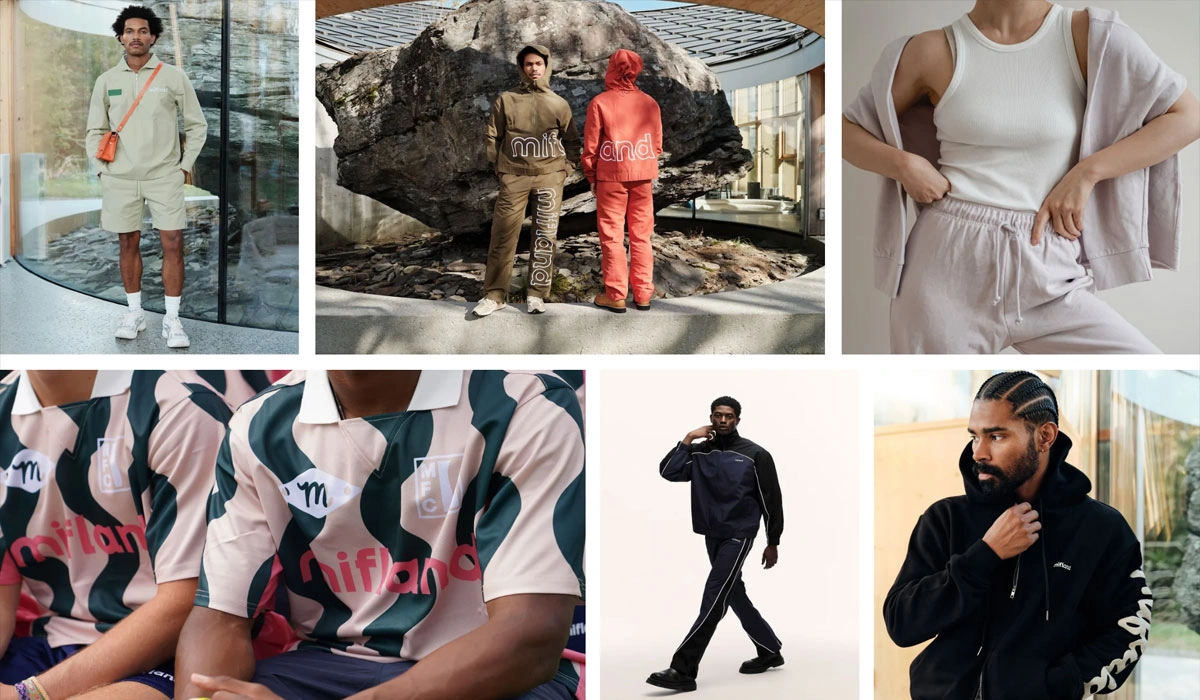
This industry thrives at the intersection of creativity, technology, and global consumer behavior, shaping trends that transcend borders and cultures. Fashion has become more than clothing it represents identity, lifestyle, and social expression.
Below FASHION MARKET will explain about Exploring The Global Fashion Market, Insights And Strategic Outlook.
Key Market Trends Reshaping Consumer Behavior
One of the most significant forces driving change in the fashion market is the shift toward digital engagement. Consumers now discover trends through TikTok, Instagram, and real-time influencer culture, where viral styles can sell out in hours.
This instantaneous trend cycle is pushing brands to accelerate their design, manufacturing, and distribution processes. At the same time, personalization has become a crucial expectation, with shoppers demanding products that reflect individuality rather than mass-produced uniformity.
The global rise in athleisure, sustainable materials, and gender-neutral apparel also reflects deeper cultural shifts, where comfort, inclusivity, and eco-consciousness increasingly define modern fashion preferences.
Sustainability And Ethical Transformation Of The Industry
Sustainability is no longer a niche priority but a strategic imperative influencing the entire global fashion supply chain. Consumers are becoming more aware of environmental impacts such as textile waste, carbon emissions, and unethical labor practices.
As a result, fashion companies are racing to adopt greener materials, circular production models, and transparent sourcing practices. Many brands now explore recycling technologies, biodegradable fabrics, and resale platforms in an effort to reduce waste.
Governments and international organizations are also pushing for stricter regulations, encouraging the industry to rethink old production models. Sustainability has become a competitive advantage, and companies that fail to adapt risk losing relevance in a market where ethical responsibility is increasingly demanded.
Baca Juga: Gucci’s Allure: Innovation, Craftsmanship, And Timeless Identity
Competitive Landscape And Strategic Opportunities
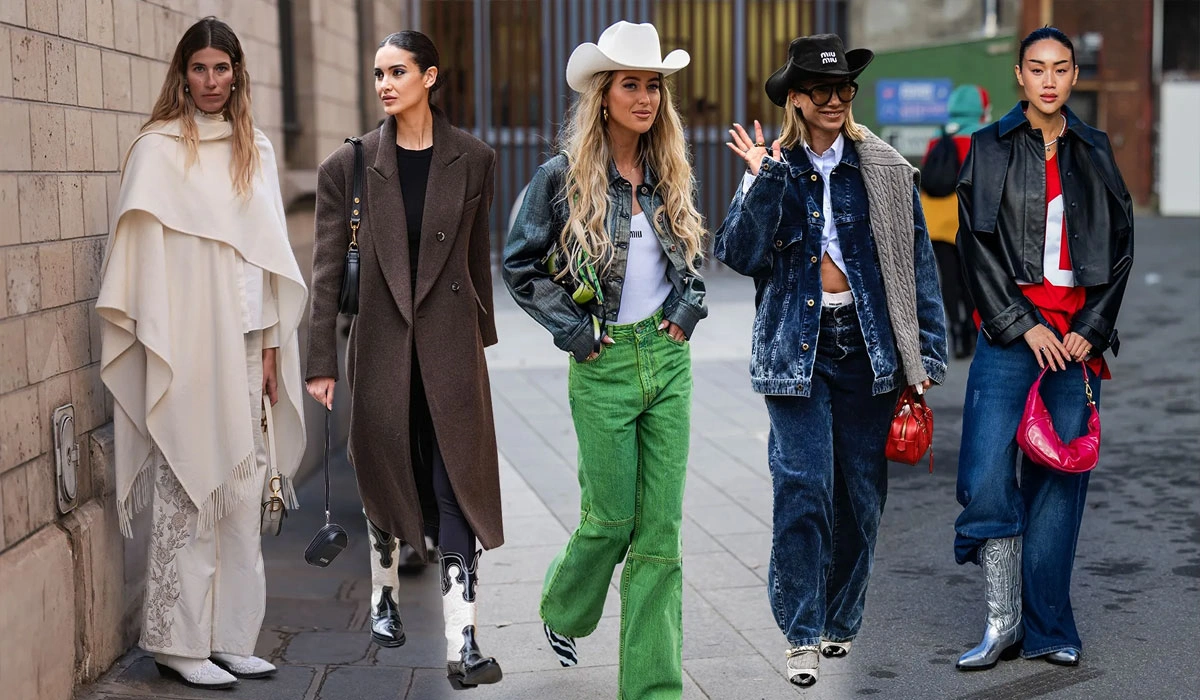
The global fashion market is intensely competitive, with luxury houses, fast-fashion giants, and digital-first startups all fighting for global influence. Each segment requires different strategies to remain resilient.
Luxury brands focus on heritage, exclusivity, and immersive customer experiences, using storytelling and craftsmanship to justify premium pricing. Fast-fashion players rely on speed, affordability, and trend responsiveness, though they face growing scrutiny regarding environmental impact.
Meanwhile, emerging digital-native brands are leveraging data analytics, subscription models, and innovative collaborations to carve out unique market positions. Opportunities also arise in untapped regions such as Africa, Southeast Asia, and Latin America, where young populations and rising incomes are creating new demand for global and local fashion labels.
Future Path Prospects
The future of the global fashion market will be shaped by innovation, sustainability, and technological integration. Artificial intelligence and virtual try-on technology are expected to redefine the shopping experience, while blockchain could enhance supply-chain transparency.
Brands will need to balance creativity with responsibility, ensuring that new collections reflect both cultural relevance and environmental awareness. The companies that thrive will be those capable of adapting quickly, embracing digital transformation, and forging deeper emotional connections with consumers.
As fashion continues to mirror the complexities of global society, the industry’s ability to innovate responsibly will determine its long-term success and cultural impact.
These FASHION MARKET trends reflect not only aesthetic changes, but also broader social and cultural shifts.
