Fashion is more than just clothing, it’s a reflection of who we are, how we live, and the society we live in.
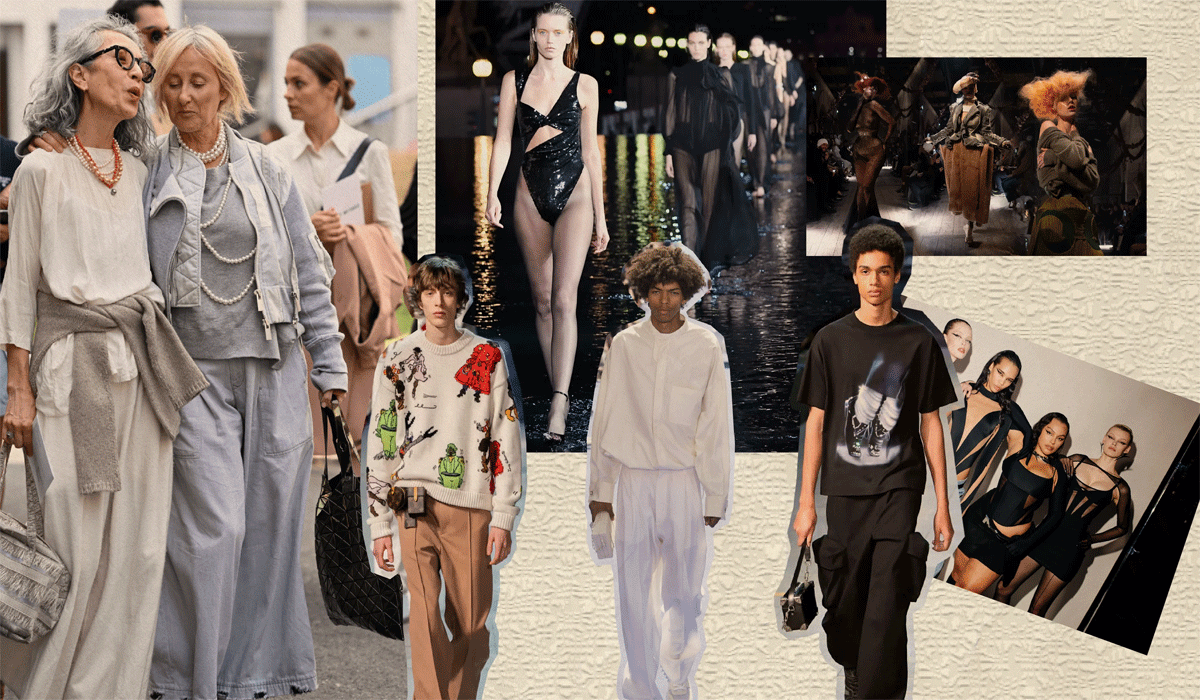
From timeless classics to bold contemporary statements, the fashion market is constantly evolving, shaping styles and trends across generations. Understanding this journey helps us see how clothing has evolved from a simple necessity to a form of personal expression and lifestyle choice. Below, FASHION MARKET we’ll provide a more detailed explanation.
The Origins of Fashion Markets
Fashion has always been more than clothing, it’s a reflection of culture, identity, and society. In the early days, fashion markets were local bazaars or small workshops where artisans sold handmade garments. People often relied on seasonal trends and traditional fabrics to express their style. Fashion was practical yet symbolic, showing social status and community affiliation.
As cities grew and trade expanded, so did the fashion market. Merchants brought fabrics, dyes, and patterns from distant lands, allowing consumers to explore new looks. This exchange of ideas and materials laid the groundwork for the modern fashion marketplace. Even then, trends evolved slowly, and style was often dictated by local customs, royalty, and ceremonial attire.
The origins of fashion markets also highlight the connection between economy and style. Fashion wasn’t just an art,it was a business. Successful merchants and designers could influence what people wore, setting early examples of how market demand shapes trends. Today, this foundation continues, but trends now change at the speed of social media.
From Classic Elegance to Modern Style
Classic fashion emphasizes timeless elegance and simplicity. Think tailored suits, little black dresses, or traditional ethnic attire. These pieces have endured decades, even centuries, because of their versatility and refinement. In classic markets, buyers value quality fabrics, craftsmanship, and enduring style over fleeting trends.
Modern fashion, however, focuses on individuality and experimentation. Streetwear, bold prints, and unconventional combinations have changed the way consumers interact with fashion. The market now caters to diverse tastes, and online platforms allow designers to reach a global audience instantly. Modern style thrives on creativity and self-expression, reflecting cultural shifts and generational changes.
The evolution from classic to contemporary fashion shows how style adapts to society’s needs. What was once formal and reserved can now be casual, playful, or even provocative. Consumers have more choices than ever, blending classic pieces with modern twists to create personal, unique looks.
Read Also: Perfect Pair Outfit Inspiration for Eid Festivities
How Fashion Markets Influence Personal Style
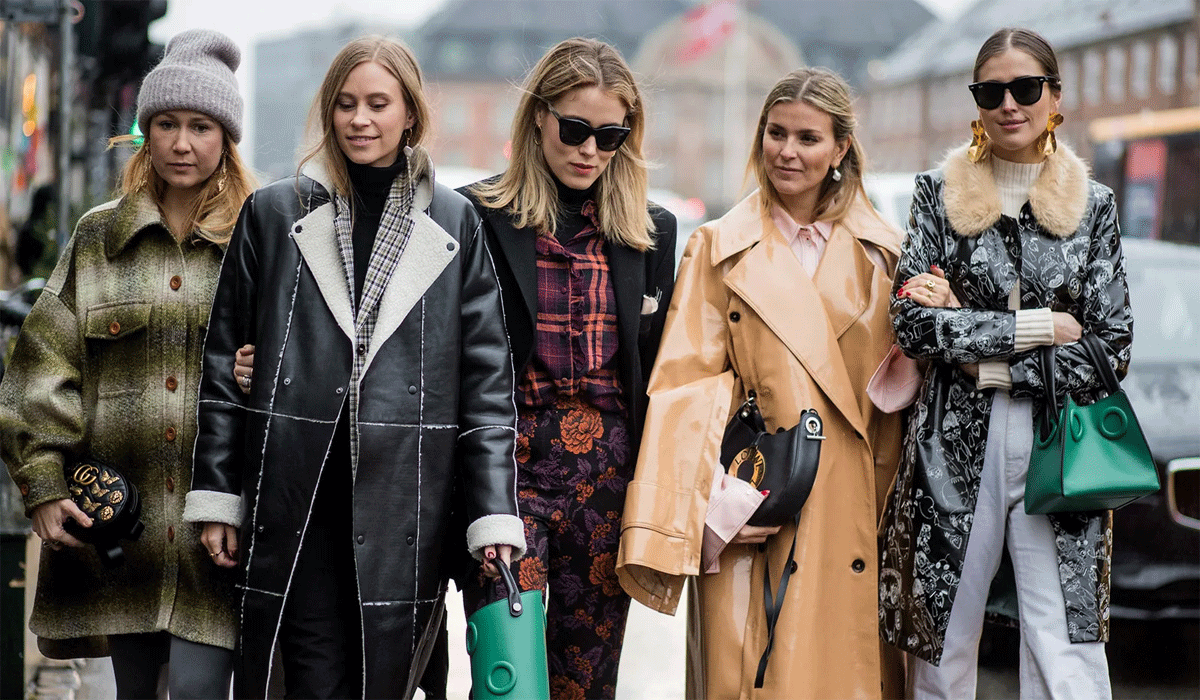
Fashion markets don’t just sell clothes, they shape identity. The availability of trends, brands, and styles influences what people choose to wear and how they present themselves. People often adapt market trends to their lifestyles, creating a personal version of popular styles.
Online marketplaces and social media platforms have amplified this effect. A viral look can reach millions, inspiring new combinations and hybrid styles. The market becomes a conversation between designers, retailers, and consumers, all shaping each other’s choices.
The link between markets and personal style also highlights consumer power. Buyers now influence the market as much as designers do. Popular demand can bring back classic styles or propel experimental trends, showing that fashion markets are dynamic ecosystems driven by both supply and taste.
Trends That Defined Generations
Every generation has its signature style influenced by culture, technology, and politics. The 1920s brought flapper dresses and bold accessories, while the 1980s embraced neon colors and oversized silhouettes. Each era’s trends were shaped by the fashion market responding to public demand.
Social changes often accelerate these trends. For example, sustainable fashion has become a defining trend for today’s consumers, as markets respond to environmental concerns. Similarly, digital fashion platforms now allow younger generations to explore experimental and niche styles more easily than ever before.
Studying trends across generations shows the market’s role as a mirror to society. Fashion is never isolated, it evolves alongside cultural values, economic conditions, and technological advances, constantly reinventing itself to fit the times.
The Future of Fashion Markets
The future of fashion markets will likely blend tradition with innovation. Technology, sustainability, and personalization will drive the next evolution of style. AI-generated designs, virtual fashion shows, and eco-friendly materials are already changing how consumers engage with fashion.
Globalization will continue to influence fashion markets. Consumers can now explore international trends instantly, merging cultural aesthetics into new, hybrid styles. This constant exchange makes fashion more diverse and accessible, while also challenging designers to be more creative.
Ultimately, the market’s evolution reflects human desire for self-expression. Fashion is no longer just about clothing, it’s a language, a lifestyle, and a marketplace of ideas. As styles evolve, markets will continue shaping how we dress, live, and express ourselves. Discover more insights on Fashion Trends And Style Evolution by exploring our full collection of articles.
Image Source:
- First Image from: cinco-store.com
- Second Image from: www.glamourmagazine.co.uk
