The global fashion industry is evolving rapidly as digital connectivity grows stronger and international influences spread more quickly than ever before.

Trends that originate in one country can reach audiences worldwide in a very short time. This fast movement affects not only individual style preferences but also the development of local fashion markets. Brands, designers, and businesses must adapt to these changes to remain relevant in an increasingly competitive environment. The following will FASHION MARKET explain the part of How Global Fashion Trends Change Local Markets.
Globalization and Shifting Local Consumer Preferences
Globalization has made international fashion more accessible to the public. Local consumers can easily view the latest collections from major fashion capitals through their devices. This instant access influences how people choose styles, fabrics, silhouettes, and colors that feel modern and desirable.
Local preferences are no longer shaped only by regional culture but also by a blend of global styles that dominate social platforms. As a result, local brands must innovate continuously to meet the expectations of consumers who demand variety, higher quality, and modern design.
Social Media as the Center of Trend Movement
Social media plays a crucial role in creating and spreading global fashion trends. Platforms such as TikTok, Instagram, Pinterest, and YouTube have become significant spaces where influencers and fashion creators introduce new styles to large audiences. Trends like clean girl aesthetic, Y2K fashion, and quiet luxury rise quickly due to the power of visual content.
This shift requires local markets to respond more quickly to digital trends. Brands that can produce engaging content, collaborate with influencers, and understand social media behavior have a greater chance of attracting younger consumers who follow trends closely and enjoy experimenting with new styles.
Creative Collaborations that Strengthen Local Identity
Global influence does not mean that local brands must simply imitate international styles. Instead, it opens wider creative opportunities. Many brands now combine global fashion elements with local cultural identity to produce unique and appealing products.
Traditional patterns, handcrafted techniques, and cultural symbols can add strong value and differentiate local products in both domestic and international markets. Several brands have succeeded globally by merging global aesthetics with local craftsmanship, resulting in collections that stand out in the modern fashion landscape.
Read Also: Inside the Innovation Classroom: Shaping Future Learning Trends
The Need for Sustainable and Responsible Fashion
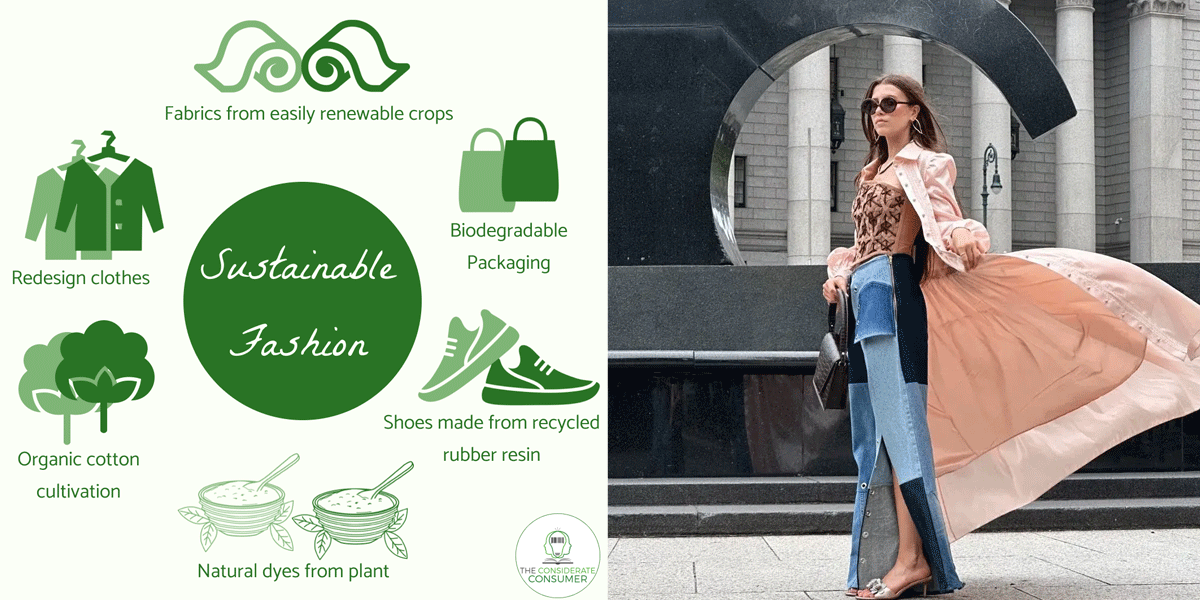
One of the most significant global shifts is the rising demand for sustainable fashion. Modern consumers are increasingly aware of the environmental and ethical impact of their purchases. They seek clothing that uses eco friendly materials and is produced through responsible methods.
Local brands are now adjusting by incorporating sustainable fabrics, improving production practices, and increasing transparency. This adaptation not only aligns them with global expectations but also helps build stronger trust and loyalty among customers who value ethical fashion.
Opportunities for Local Brands to Enter the Global Stage
Although competition in the fashion industry is becoming more intense, global trends create promising opportunities for local brands to grow beyond their regional markets. International consumers have become more interested in unique cultural expressions and authentic design concepts.
With the right branding strategy, consistent product quality, and a strong understanding of global trends, local brands have the potential to reach international audiences. Cultural identity can become a powerful asset that appeals to fashion enthusiasts seeking originality and meaning in their clothing choices.
Conclusion
Global fashion trends have brought significant changes to local markets. Brands are required to be more creative, adaptive, and innovative in facing this new era. Those who can successfully combine global movements with local cultural strengths will have a solid position in the future fashion industry.
This transformation presents challenges but also offers valuable opportunities for local fashion to shine on the global stage. Stay tuned and don’t miss out on the FASHION MARKET and discover how global trends shape local styles.
Imagae Source:
First Image from: www.google.com
Second Image from: fashionmarket.uk
