The fashion industry has always been dynamic, reflecting societal changes, technological advancements, and shifting consumer preferences.
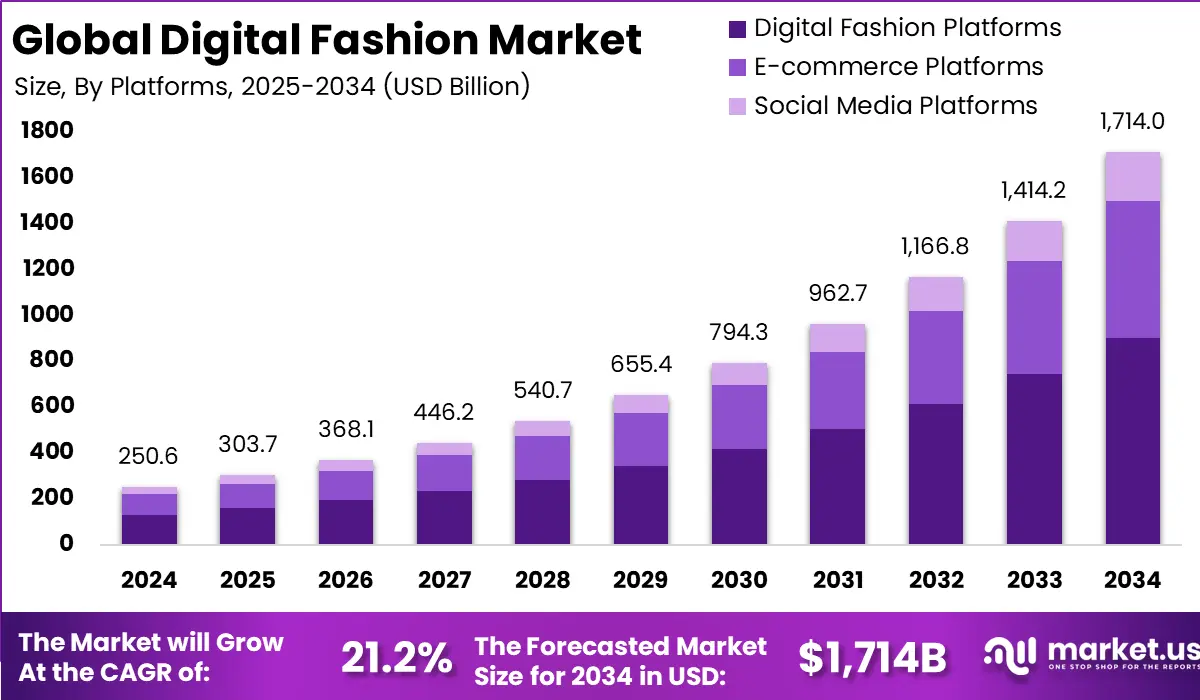
Understanding these trends is crucial for brands, designers, and retailers to remain competitive and relevant in an increasingly complex market. This article, FASHION MARKET will explore how fashion is more than just clothing; it’s a way to express yourself and shape your lifestyle.
Sustainability Becomes a Core Driver
Sustainability is no longer optional in the fashion industry. Consumers are increasingly prioritizing eco-friendly products, ethical production, and transparent supply chains. Brands that incorporate sustainable practices such as recycled materials, reduced water usage, and fair labor policies gain stronger loyalty and credibility.
In 2025, fashion companies are expected to report clear sustainability metrics and demonstrate their environmental impact. Eco-conscious consumers now seek brands that align with their values, forcing the market to rethink production and sourcing strategies.
Digital Transformation and Fashion Tech
Technology is reshaping the way fashion operates. Augmented reality (AR) try-ons, virtual fashion shows, and AI-driven trend forecasting are becoming mainstream. Digital fashion and NFTs are also introducing new ways for consumers to engage with brands and purchase unique, limited-edition items online.
Retailers are investing heavily in e-commerce platforms, personalized recommendations, and virtual shopping experiences. This digital evolution allows brands to connect with global audiences more efficiently while providing consumers with interactive and engaging experiences.
Shift in Consumer Behavior
The modern consumer is more informed, selective, and value-driven. Millennials and Gen Z are influencing market trends with preferences for inclusivity, customization, and ethical practices. They expect brands to offer not just products but experiences that resonate with their lifestyle and values.
As a result, fashion brands are focusing on storytelling, social engagement, and community-building. They must adapt to consumers’ demand for authenticity, transparency, and personalized experiences to remain competitive in 2025.
Read Also: Modern Clothing & Fashion Inspiration for Maximum Appearance
Rise of Circular and Second-Hand Fashion
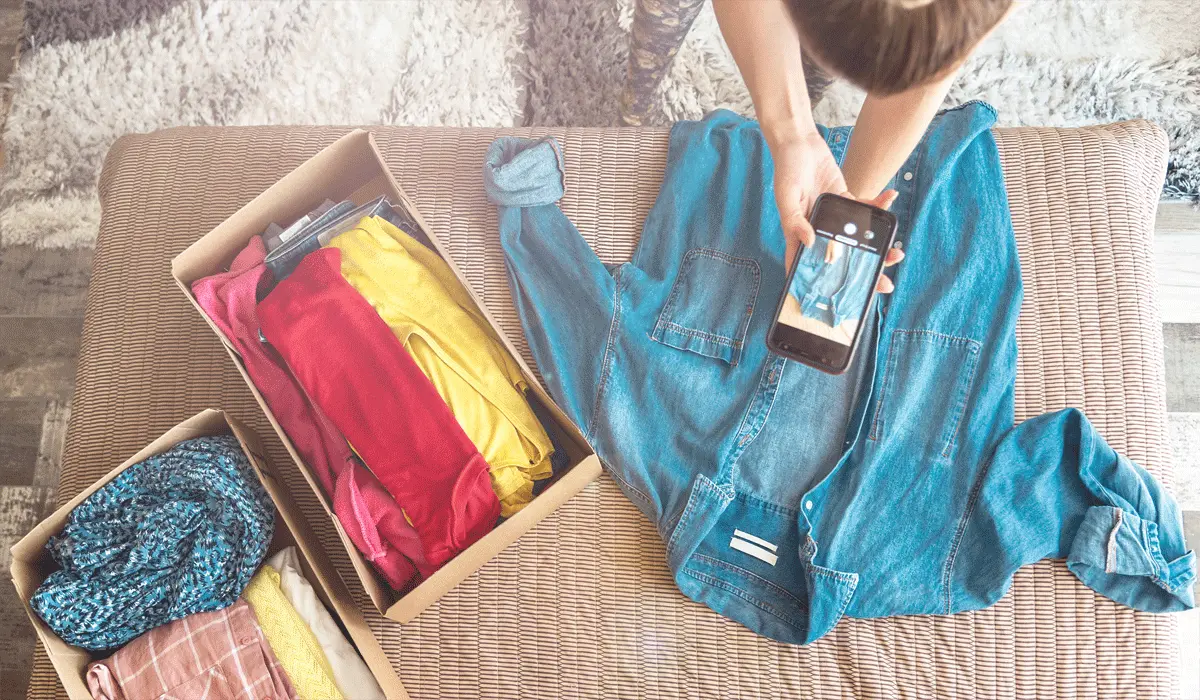
Circular fashion resale, upcycling, and rental models are gaining momentum. Consumers are increasingly opting for pre-owned, vintage, or rental clothing as a way to reduce environmental impact and stretch their budgets. Platforms facilitating resale and clothing swaps are expanding rapidly.
Fashion brands are also entering the circular economy by offering take-back programs, recycling initiatives, and limited capsule collections. This trend is expected to significantly alter traditional retail and manufacturing practices, encouraging innovation across the industry.
Conclusion
The global fashion market in 2025 is evolving under the influence of sustainability, digital innovation, changing consumer behavior, circular fashion, and the blending of global and local trends. Brands that embrace these changes can position themselves for growth while staying aligned with the values of modern consumers.
The fashion industry’s future is dynamic, interconnected, and increasingly responsible, demanding adaptability, creativity, and strategic foresight. Step into the world of FASHION MARKET and transform your look with expert guidance, fresh ideas, and style hacks that keep you ahead of the trends.
Image Source:
- First Image from market.us
- Second Image from weforum.org
