Exploring how modern classrooms use technology, collaboration, and real-world skills to shape the future of learning and prepare students for tomorrow.
Below, TEACHING will provide some explanations regarding Reinventing Learning Systems for an Innovation-Driven Future.
The Rise of Technology-Enhanced Learning
Technology has become an essential element in contemporary education. Interactive whiteboards, tablets, and learning management systems are no longer optional they are foundational to the learning experience. These tools allow educators to tailor lessons to individual student needs, track progress in real-time, and foster engagement through interactive content. By combining digital tools with traditional methods, classrooms can offer a more personalized and dynamic learning environment.
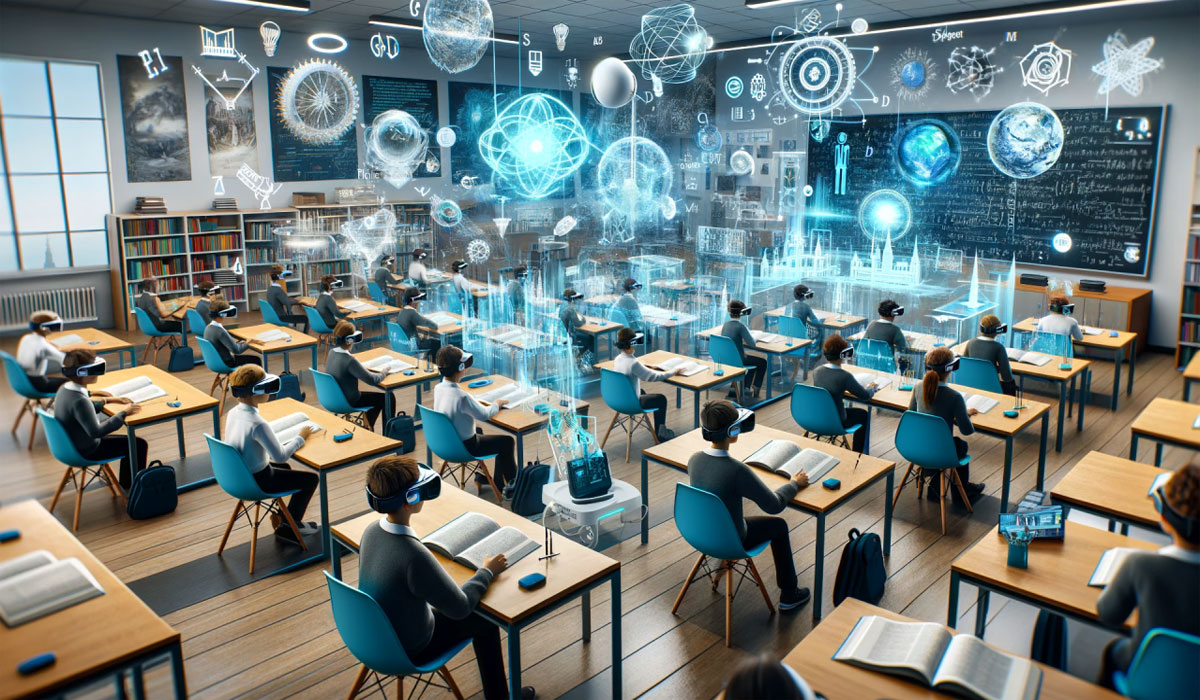
Moreover, virtual and augmented reality are creating immersive experiences that were previously unimaginable. Students can explore historical events, conduct science experiments, or engage in global collaborations without leaving the classroom. Such technology-driven learning not only makes lessons more engaging but also encourages deeper understanding and retention of knowledge, preparing students for a tech-centric world.
Collaborative and Student-Centered Approaches
Innovation classrooms emphasize collaboration and student-centered learning. Traditional teacher-led instruction is being replaced by group projects, peer-to-peer learning, and problem-solving exercises that put students at the center of the learning process. This approach encourages critical thinking, communication, and creativity, essential skills for future careers. Students are not just passive recipients of knowledge they actively participate in constructing and applying what they learn.
Educators also play the role of facilitators, guiding students through inquiry-based learning and encouraging independent exploration. Flexible classroom layouts, such as movable desks and collaborative hubs, support these interactive approaches. By fostering a culture of collaboration and self-directed learning, innovation classrooms equip students with the skills needed to thrive in an increasingly complex and interconnected world.
Read Also: Inside The Fashion Market, Trends Shaping The Future of Style
Integrating Real-World Skills into Curriculum
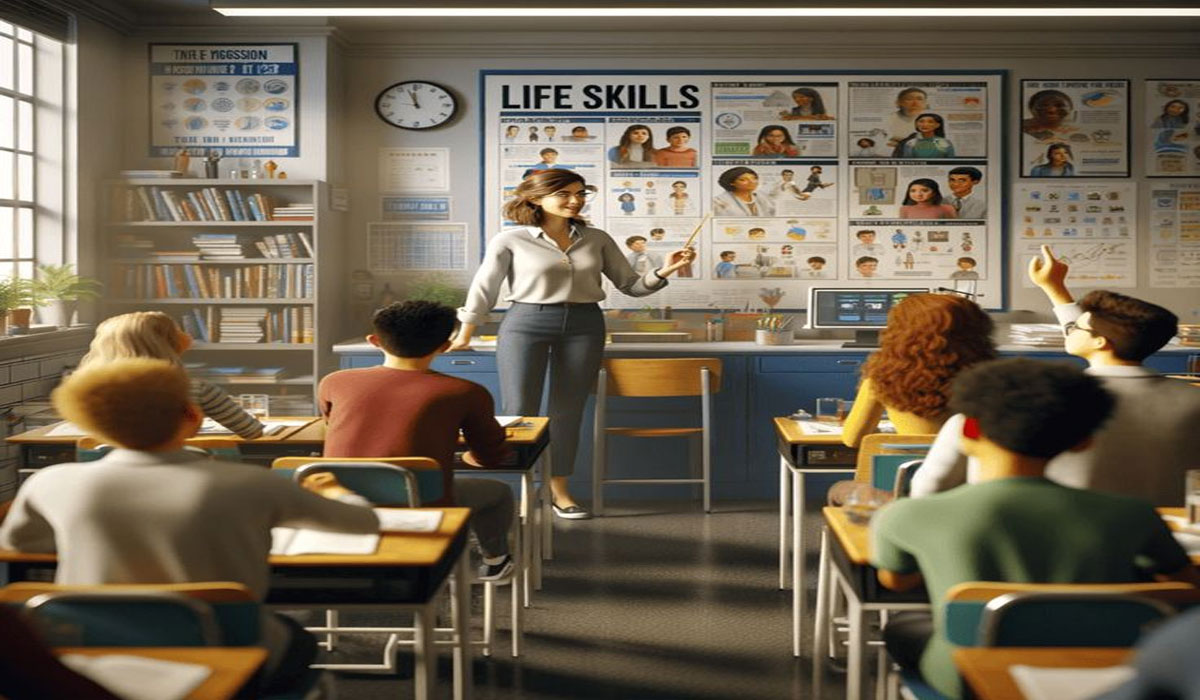
One of the most significant trends in future-focused classrooms is the integration of real-world skills into the curriculum. Beyond core subjects, students are now encouraged to develop competencies such as coding, entrepreneurship, financial literacy, and emotional intelligence.
Project-based learning and internships are examples of how classrooms are connecting theory with practice. By engaging in real-world scenarios, students gain hands-on experience, develop problem-solving strategies, and build resilience. This approach not only enhances learning outcomes but also fosters confidence and adaptability, qualities crucial for navigating the rapidly changing demands of the workforce.
The Role of Data and Personalized Learning
Data-driven instruction is becoming a cornerstone of innovation classrooms. Educators now have access to detailed analytics that track student performance, identify gaps in understanding, and highlight areas for improvement. This information allows teachers to design personalized learning experiences tailored to individual strengths and weaknesses, making education more effective and inclusive.
Artificial intelligence and adaptive learning platforms are further enhancing personalization. These technologies can adjust content in real-time, providing challenges that match each student’s ability level. By leveraging data, innovation classrooms not only improve academic performance but also ensure that every student receives the support needed to reach their full potential.
For the latest and most interesting related information, you can also click the TEACHING link.
Image Source:
First Image from fashionmarket.uk
Second Image from lookdigitalsignage.com
