The global fashion industry has experienced a dynamic shift, fueled by the rapid spread of trends and the rise of digital platforms.

As new movements emerge worldwide, they are influencing local fashion markets, creating a hybrid culture that blends tradition with contemporary styles. From sustainability to digital innovation, these global trends are reshaping how consumers engage with fashion, and how local markets adapt to the changing tides.
Below we FASHION MARKET will discuss the Rising Global Trends and the Reshaping of the Local Fashion Markets.
The Impact of Sustainability on Local Fashion Markets
Sustainability is no longer a niche movement; it has become a driving force in global fashion trends. Consumers are increasingly aware of the environmental cost of fast fashion, leading local markets to prioritize eco-friendly practices. This shift includes using organic materials, promoting slow fashion, and supporting brands with ethical supply chains.
Local fashion markets have started embracing circular fashion, which focuses on the reuse, recycling, and upcycling of garments. This model not only minimizes waste but also promotes creativity and innovation in design. Small businesses, in particular, are capitalizing on this trend, offering eco-conscious alternatives that resonate with environmentally aware consumers.
In response, local governments are introducing policies to encourage sustainable fashion practices. Regulations that limit textile waste and incentivize green production are becoming more common. These changes are helping local designers and brands align with global sustainability goals while satisfying the growing demand for responsible fashion.
The Influence Of Digitalization On Local Fashion
Digital technology is revolutionizing the way fashion is marketed and consumed. Social media platforms like Instagram and TikTok have become powerful tools for shaping trends and reaching global audiences. As a result, local fashion markets are increasingly influenced by international influencers and digital campaigns that transcend geographic boundaries.
E-commerce has also transformed the fashion landscape, making it easier for consumers to shop from anywhere in the world. Local designers can now showcase their collections to a global audience, while international brands can tap into emerging markets with minimal investment. The rise of online shopping has expanded opportunities for both consumers and brands alike.
Moreover, digitalization has sparked a new wave of innovation, such as virtual try-ons and AI-powered shopping assistants. These technologies enhance the customer experience and allow local markets to offer personalized services. As fashion continues to integrate digital solutions, the lines between local and global are becoming increasingly blurred.
Read Also: Style & Commerce Inside Today’s Dynamic Fashion Market
The Resurgence Of Local Craftsmanship And Traditional Fashion
While global trends often dominate the fashion scene, there is a growing appreciation for local craftsmanship and heritage. Consumers are seeking out unique, handcrafted items that reflect their cultural identity. This trend has led to a resurgence of traditional fashion, where local artisans and designers are reviving age-old techniques.
From intricate handwoven textiles to indigenous prints, these traditional methods are being incorporated into contemporary designs. Local markets are showcasing these unique pieces as a way to celebrate cultural diversity while also offering consumers something distinct from mass-produced goods. This blend of tradition and modernity is attracting fashion-forward individuals who value originality.
In many regions, local designers are collaborating with artisans to fuse modern aesthetics with traditional craftsmanship. These collaborations not only preserve cultural heritage but also provide economic opportunities for artisans. As consumers seek authenticity, traditional fashion is finding new relevance in the global marketplace.
Global Influences On Local Fashion Trends
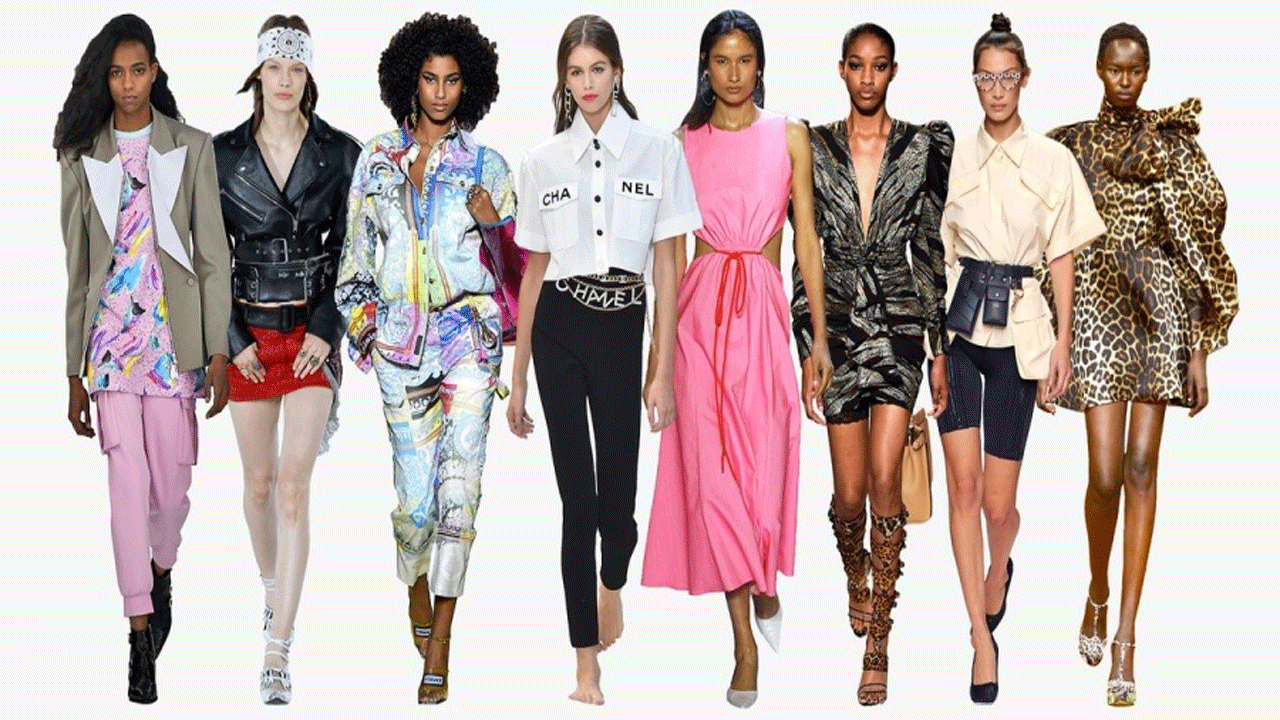
Globalization has made it easier than ever to share ideas and trends across borders. Fashion capitals like Paris, New York, and Milan often set the tone for international trends, but now, local markets are playing a bigger role in shaping global fashion. Local designers and influencers are influencing global trends, leading to a more inclusive and diverse fashion landscape.
This influence flows in both directions. While international trends shape local styles, local fashion is increasingly impacting global runways. Designers from all over the world are showcasing their cultures and incorporating elements from their home countries into global fashion collections. The result is a vibrant, multicultural fashion scene that celebrates diversity.
As local markets become more integrated into the global fashion network, they also influence the sustainability and ethical considerations that shape industry standards. Consumers are more interested in where their clothes come from and how they are made, pushing both local and global brands to prioritize transparency and responsibility.
The Role Of Consumer Demand In Shaping Fashion Markets
At the heart of these transformations lies the evolving role of the consumer. Social media influencers and consumer feedback have become central to determining what stays and what fades in the world of fashion.
Local fashion markets are increasingly responsive to the tastes and preferences of consumers, using data to understand trends and predict what will resonate. As consumers demand more inclusivity, diversity, and sustainability, brands must adapt to meet these expectations or risk becoming irrelevant. This shift is encouraging brands to innovate and evolve at a faster pace.
Ultimately, the global trend toward more conscious, inclusive, and diverse fashion is empowering consumers and reshaping how local fashion markets operate. The growing influence of consumer demand ensures that fashion continues to be a dynamic reflection of global values, with local markets playing an integral role in the ongoing evolution.
Stay tuned to the FASHION MARKET and discover how global trends are shaping local styles.
Image Source:
First Image from www.liputan6.com
Second Image from highend-magazine.okezone.com
