The fashion industry has always been a dynamic and ever-changing market, but recent technological innovations are transforming.

These innovations are helping companies become more efficient, sustainable, and customer-focused, driving growth and opening new opportunities worldwide. The following will FASHION MARKET explain about The Rise of Sustainable Fashion in Today’s Market.
Digital Design and 3D Modeling
Advancements in digital design tools and 3D modeling are revolutionizing the way fashion products are created. Designers can now visualize garments in a virtual environment, experiment with fabrics, patterns, and colors without physical prototypes. This technology reduces material waste and production costs while speeding up the design process. Moreover, 3D modeling allows brands to showcase realistic previews of collections online, enhancing the digital shopping experience.
Virtual sampling also enables collaboration across global teams, ensuring that ideas are shared and refined more effectively. By reducing errors and streamlining development, fashion companies can bring products to market faster, increasing competitiveness and responsiveness to consumer trends.
AI and Predictive Analytics
Artificial Intelligence (AI) and predictive analytics are now playing a crucial role in understanding consumer behavior. AI can analyze large volumes of data, including past purchases, browsing habits, and social media interactions, to forecast trends and personalize recommendations. This allows brands to produce items that align with customer preferences, minimizing overproduction and maximizing sales.
Predictive analytics also improves inventory management. Retailers can predict demand for specific products or styles, reducing stockouts or surplus inventory. By leveraging data-driven insights, fashion companies can make informed decisions, optimize marketing strategies, and maintain a competitive edge in a fast-paced market.
E-Commerce and Virtual Try-On
The rise of e-commerce has transformed how consumers shop for fashion. Virtual try-on technology, using augmented reality (AR) and AI, allows customers to see how clothes, shoes, or accessories look on them before purchasing. This reduces return rates, increases customer satisfaction, and encourages online sales.
Online platforms also enable direct-to-consumer sales, giving brands better control over pricing, branding, and customer engagement. Social media integration further amplifies reach, allowing companies to market products through influencers and targeted campaigns efficiently.
Read Also: How Worldwide Fashion Movements Are Redefining Local Markets
Sustainable Manufacturing and Smart Fabrics
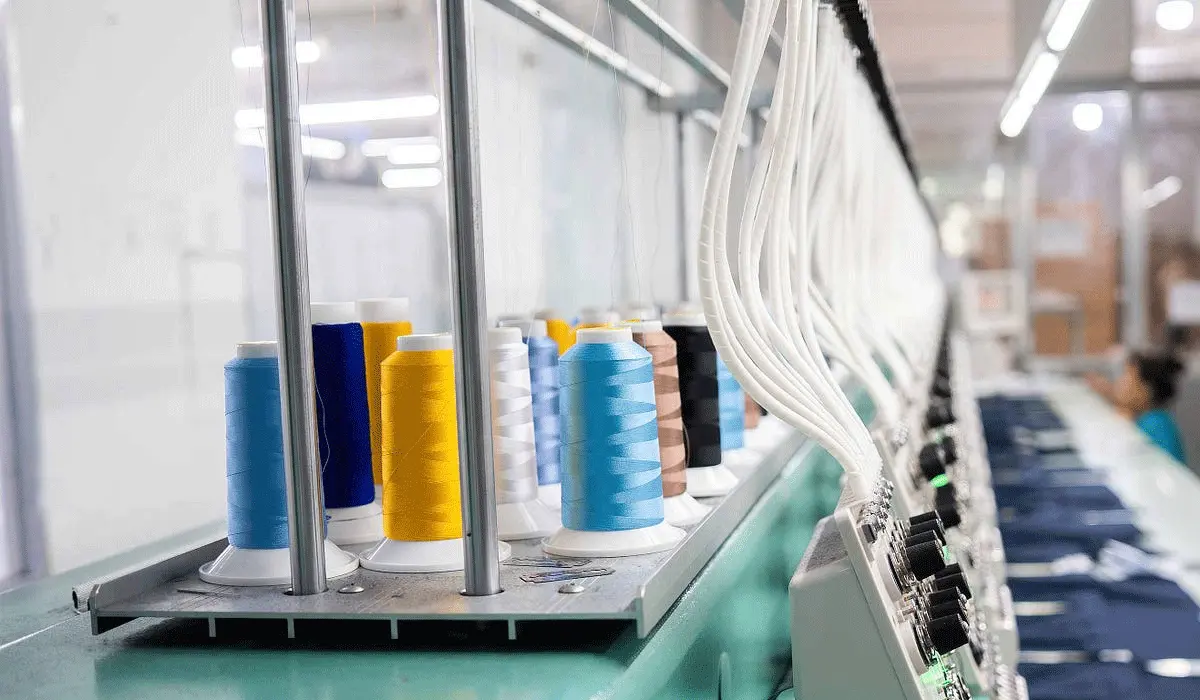
Technology is also driving sustainability in fashion. Innovations like smart fabrics, eco-friendly materials, and automated production processes reduce the environmental impact of clothing. Brands can now track the lifecycle of a garment, monitor carbon footprints, and use materials that are recyclable or biodegradable.
Automation and robotics in manufacturing streamline production, reduce labor costs, and ensure precision. By adopting these sustainable and innovative practices, fashion companies meet growing consumer demand for responsible products while maintaining profitability and relevance in a competitive market.
Conclusion
Technological innovations are reshaping the fashion industry by enhancing design, production, marketing, and sustainability. Digital tools, AI, e-commerce, and smart fabrics not only drive efficiency but also create new opportunities for growth and consumer engagement.
Fashion companies that embrace these innovations are better positioned to respond to market trends, reduce waste, and deliver products that align with evolving consumer expectations. In a rapidly changing industry, tech-driven strategies are key to achieving long-term success and staying competitive in the global fashion market.
Image Source:
First Image from linkedin.com
Second Image from worldfashionexchange.medium.com
