The Rise of Sustainable Fashion in Today’s Market explores the growing trend of eco-conscious clothing and accessories.
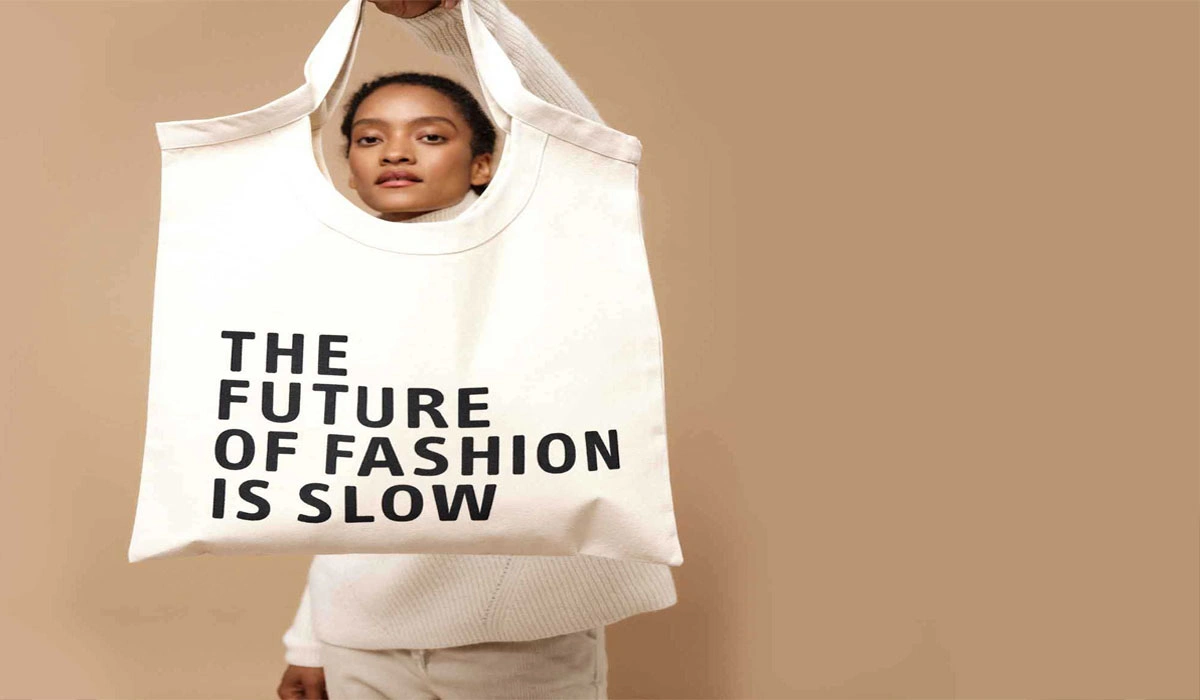
Ethical labor practices, and environmental responsibility are reshaping the fashion industry. It examines key drivers, market opportunities, challenges, and future prospects, demonstrating how sustainability is a major and influential force in today’s global fashion landscape.
The following will FASHION MARKET explain about The Rise of Sustainable Fashion in Today’s Market.
Understanding Sustainable Fashion
Sustainable fashion refers to clothing, accessories, and footwear produced, marketed, and consumed in ways that prioritize environmental and social responsibility.
Unlike fast fashion which emphasizes rapid production, cheap materials, and short-lived trends sustainable fashion focuses on reducing environmental impact, promoting ethical labor, and ensuring product longevity.
Key aspects of sustainable fashion include the use of eco-friendly materials, such as organic cotton, hemp, bamboo, and recycled fibers. These materials reduce reliance on harmful chemicals and water-intensive processes.
Additionally, sustainable fashion often incorporates responsible manufacturing practices, including fair wages, safe working conditions, and minimal waste.
By addressing the full lifecycle of garments from design and production to disposal sustainable fashion aims to create a system that benefits both people and the planet.
Drivers Behind The Trend
Several factors have contributed to the rise of sustainable fashion in today’s market. Firstly, consumer awareness about environmental issues has increased dramatically.
Reports on climate change, water pollution from textile dyes, and the massive amounts of waste generated by fast fashion have sparked concern among consumers worldwide. As a result, more shoppers now consider sustainability when making purchasing decisions.
Secondly, social media and digital platforms have amplified the visibility of ethical and sustainable brands. Influencers, bloggers, and campaigns advocating for conscious consumption have encouraged consumers to prioritize sustainability over simply following trends.
Transparency has become a key expectation consumers want to know not just how clothes look, but where they come from and how they were made.
Thirdly, regulatory pressures and industry standards are also shaping the market. Governments and international organizations are increasingly promoting sustainability in fashion through policies, guidelines, and incentives.
Brands that fail to adopt sustainable practices may face reputational and legal consequences, motivating the industry to evolve toward more responsible practices.
Baca Juga: The Art of Accessorizing Transforming Outfits With Style
Market Opportunities And Consumer Behavior

The rise of sustainable fashion is creating significant market opportunities. Many brands have introduced eco-friendly lines, while startups and small businesses focusing exclusively on sustainable products are gaining traction.
The global market for sustainable apparel has grown consistently, and projections indicate that it will continue to expand as more consumers opt for conscious purchases.
Consumers’ behavior in today’s market also reflects a shift in values. Millennials and Gen Z, in particular, are driving demand for transparency, ethical sourcing, and environmentally friendly products.
These demographics are willing to pay a premium for sustainable garments, recognizing the long-term benefits for the environment and society.
Subscription services, clothing rental platforms, and second-hand marketplaces further illustrate how consumer habits are evolving, blending sustainability with convenience and style.
Moreover, sustainable fashion is not limited to high-end or luxury brands. Mass-market retailers are incorporating eco-friendly collections to meet rising demand, signaling that sustainability is becoming mainstream.
By offering sustainable options at various price points, brands can appeal to a broader audience and encourage wider adoption of responsible consumption habits.
The Future OF Sustainable Fashion
The trajectory of sustainable fashion suggests continued growth and transformation. Technological innovations, such as biodegradable fabrics, recycling systems, and digital garment tracking, are improving efficiency and reducing waste.
Collaborations between brands, designers, and sustainability experts are fostering creative solutions that combine style, quality, and responsibility.
Furthermore, circular economy models where garments are reused, recycled, or refurbished are likely to gain traction. Consumers increasingly embrace clothing rental, second-hand markets, and upcycling as alternatives to traditional ownership, contributing to a more sustainable fashion ecosystem.
Sustainable fashion also presents opportunities for global social impact. By ensuring fair labor practices, safe working environments, and equitable wages, the industry can improve lives for millions of workers worldwide. Ethical sourcing and environmental stewardship can coexist with profitability, proving that conscious fashion is both viable and desirable.
In conclusion, the rise of sustainable fashion is reshaping how we produce, consume, and perceive clothing. From ethical materials and transparent production to evolving consumer expectations, sustainable fashion is transforming the market into one that values responsibility as much as style.
As awareness grows and innovations continue, sustainable fashion is set to remain a driving force in the industry, influencing trends, purchasing behaviors, and the very future of clothing itself.
