Fashion has always been a reflection of society, culture, and technology. In the digital age, its transformation has accelerated dramatically.
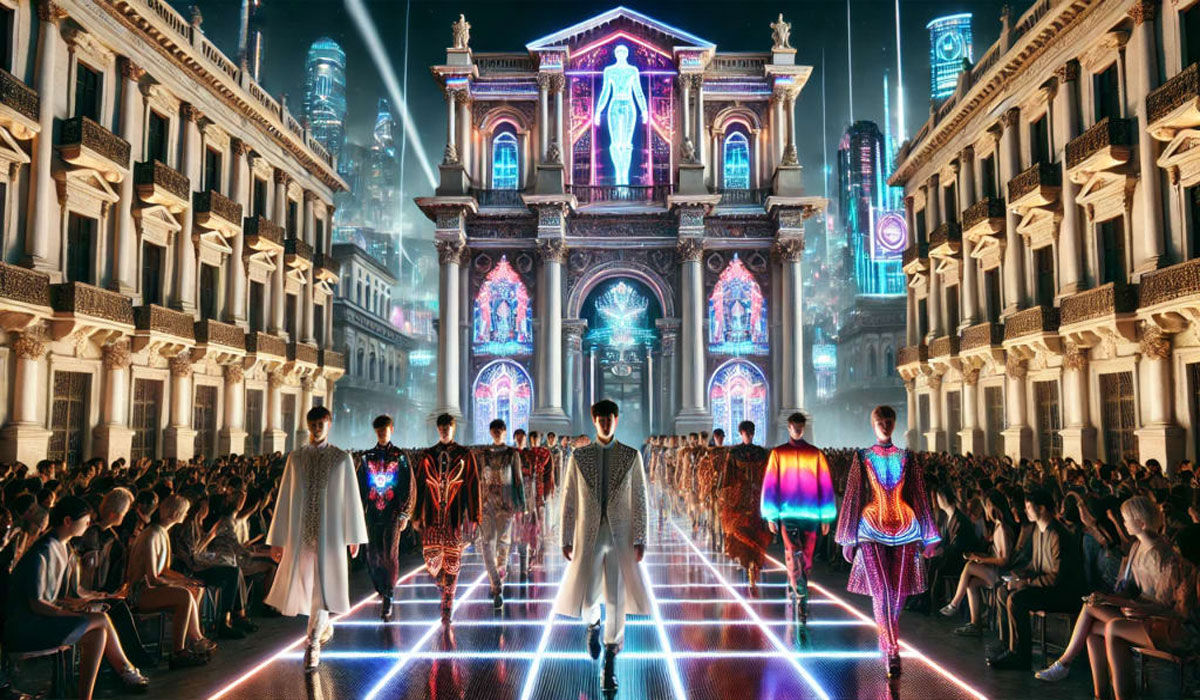
Reshaping how trends emerge, spread, and fade. From social media influence to virtual design innovation, fashion is no longer confined to runways or seasonal collections but evolves in real time across global audiences FASHION MARKET.
The Rise of Digital Influence
The emergence of social media has redefined how fashion trends are introduced and consumed. Platforms like Instagram and TikTok allow individuals to showcase their style instantly. This shift has democratized fashion, enabling anyone with creativity to influence trends beyond traditional gatekeepers.
Digital creators now rival established designers in shaping public taste. Their ability to connect directly with audiences fosters authenticity and relatability. As a result, trends spread faster and often feel more personal than those dictated solely by fashion houses.
Moreover, algorithms play a significant role in trend visibility. What users see is often tailored to their preferences, creating micro-trends that cater to niche audiences. This personalization further diversifies the fashion landscape.
Fast Fashion and Instant Gratification
The digital era has fueled the growth of fast fashion, where brands quickly replicate trending styles. Consumers can now purchase looks inspired by influencers within days. This rapid cycle satisfies the desire for immediacy and constant novelty.
However, this speed comes with consequences. The pressure to keep up with trends often leads to overconsumption. Many consumers find themselves buying more frequently, contributing to waste and environmental concerns.
At the same time, awareness is growing. Digital platforms also educate users about sustainability, encouraging more mindful consumption. This duality reflects the complexity of fashion in a fast-paced digital world.
Read Also: Guide to Choosing Clothing & Apparel that Suits Your Personality
The Emergence of Sustainable Fashion
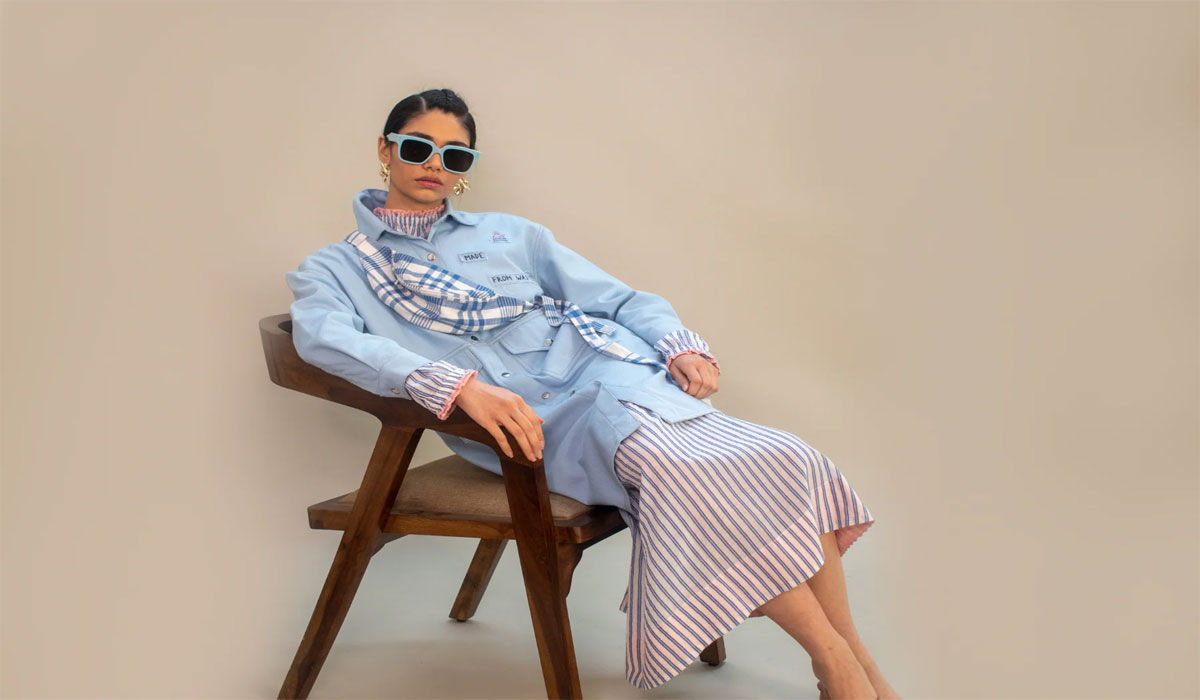
As environmental concerns rise, sustainable fashion has gained prominence. Designers and consumers alike are seeking eco-friendly alternatives. Digital platforms help spread awareness about ethical production and responsible consumption.
Brands are now more transparent about their practices. Through online storytelling, they highlight materials, labor conditions, and environmental impact. This openness builds trust and encourages informed decision-making.
Additionally, secondhand and rental fashion have become more accessible online. Consumers can extend the life cycle of clothing while maintaining style. This shift represents a growing balance between fashion and responsibility.
Virtual Fashion and Digital Innovation
Technology has introduced entirely new forms of fashion. Virtual clothing, wearable only in digital spaces, is becoming increasingly popular. These designs allow users to express themselves in online environments without physical production.
Augmented reality and virtual fitting rooms enhance the shopping experience. Customers can visualize how garments look without trying them on physically. This innovation reduces returns and improves convenience.
Furthermore, digital fashion shows and online collections have transformed industry events. Designers can reach global audiences instantly, breaking geographical barriers and redefining how fashion is presented.
Personal Style in a Connected World
In the digital age, personal style is more visible than ever. Individuals curate their identities through carefully selected outfits shared online. Fashion becomes a language of self-expression across cultures and communities.
Exposure to diverse styles encourages experimentation. People draw inspiration from global trends while blending them with local influences. This fusion creates unique and evolving personal aesthetics.
At the same time, the pressure to maintain an online image can be intense. Balancing authenticity with external expectations becomes a challenge. Nevertheless, many embrace fashion as a tool for confidence and creativity.
The Future of Fashion Trends
Looking ahead, fashion will continue to evolve alongside technology. Artificial intelligence may predict trends before they emerge, shaping design and production processes. This predictive approach could reduce waste and improve efficiency.
Customization is also expected to grow. Consumers increasingly seek unique pieces that reflect their individuality. Digital tools will enable more personalized designs, making fashion more inclusive and diverse.
Ultimately, the future of fashion lies in balance. Innovation must align with sustainability and ethical practices. The digital age offers opportunities to create a more thoughtful and dynamic fashion ecosystem.
Conclusion
The evolution of fashion in the digital age reflects a dynamic interplay between technology, culture, and individual expression. Trends now emerge faster, reach wider audiences, and adapt continuously to shifting preferences.
As fashion continues to transform, its future depends on mindful choices. Embracing innovation while prioritizing sustainability and authenticity will shape a more responsible and creative industry for generations to come.
Image information from:
- The first image of vocal.media
- The second image of doodlage.in
