Explore the latest trends in today’s fashion and apparel market, style, sustainability, digital fashion, consumer behavior, and influence.
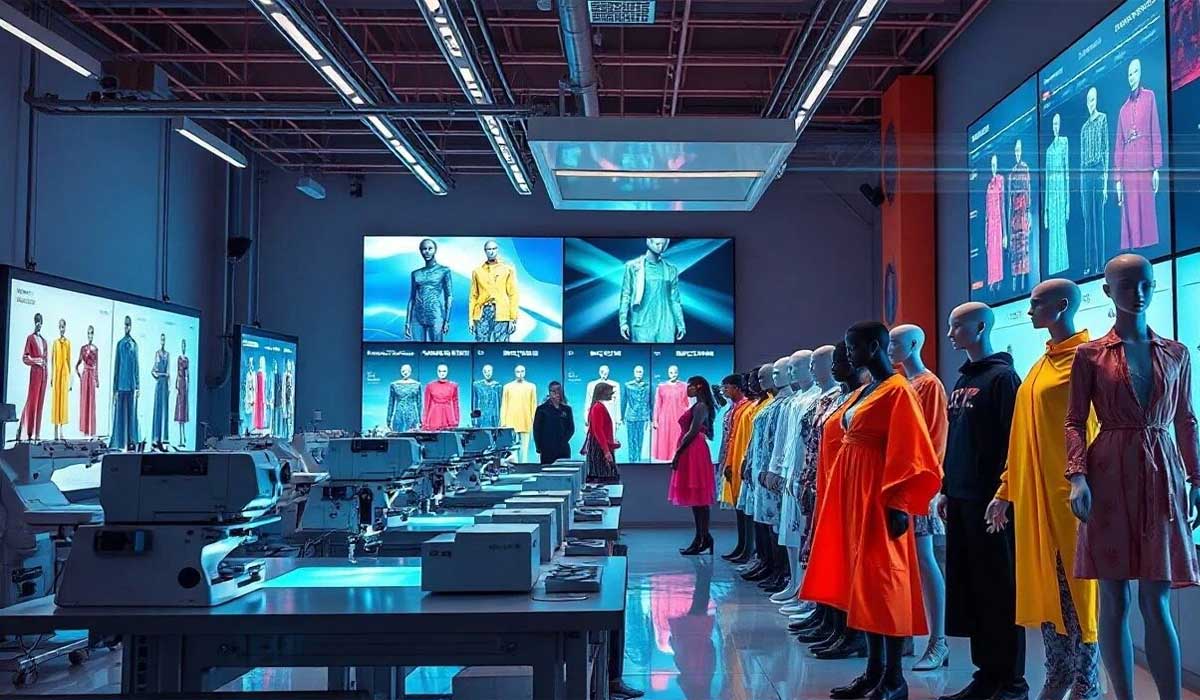
The fashion and clothing market today is evolving faster than ever, driven by global influences, technological innovation, and changing consumer preferences. What people wear is no longer just about style, but also about identity, sustainability, and digital expression.
Here, FASHION MARKET explores the latest trends shaping today’s fashion and apparel market, offering insights into how the industry is evolving in a rapidly changing world.
Global Fashion Trends Shaping the Market
Global fashion trends today are heavily influenced by cultural exchange and international collaboration. Designers from different countries are blending traditional elements with modern aesthetics, creating unique styles that appeal to a global audience. This fusion of cultures has made fashion more diverse and inclusive than ever before.
Major fashion capitals such as Paris, Milan, New York, and Tokyo continue to set the tone for global trends. However, emerging markets are also gaining attention by introducing fresh perspectives and innovative designs. This shift has made the fashion industry more dynamic and competitive on a worldwide scale.
Sustainable Fashion and Eco-Friendly Materials
Sustainability has become one of the most important movements in the fashion industry. Many brands are now focusing on eco-friendly materials such as organic cotton, recycled fabrics, and biodegradable textiles. This shift is driven by increasing awareness of environmental issues and consumer demand for responsible production.
Fashion companies are also rethinking their production processes to reduce waste and carbon emissions. Slow fashion is gaining popularity as people move away from fast fashion consumption habits. Instead of buying large quantities of cheap clothing, consumers are choosing quality pieces that last longer.
Also Read: The Secret To Looking Fashionable Without Spending A Lot
Digital Fashion and Online Shopping Revolution

The rise of digital fashion is changing how people interact with clothing. Virtual fashion shows, augmented reality fitting rooms, and digital clothing collections are becoming more common. These innovations allow consumers to experience fashion in a completely new and interactive way.
Online shopping platforms have also revolutionized the industry by making fashion more accessible. Customers can now browse thousands of products, compare prices, and purchase items from anywhere in the world. This convenience has significantly increased global fashion consumption.
Streetwear and Changing Consumer Lifestyle
Streetwear has become one of the most influential movements in modern fashion. Once considered casual and niche, it is now a dominant style embraced by luxury brands and mainstream designers. Hoodies, sneakers, oversized clothing, and graphic designs are now widely accepted in everyday fashion.
This trend reflects a shift in consumer lifestyle toward comfort and self-expression. People are prioritizing clothing that feels relaxed yet stylish, allowing them to express individuality without sacrificing comfort. Streetwear has successfully bridged the gap between luxury and casual wear.
Future Innovations in the Fashion Industry
The future of the fashion and clothing market is expected to be shaped by technology and innovation. Artificial intelligence is already being used to predict trends, design clothing, and personalize shopping experiences. This makes fashion more data-driven and customer-focused.
Virtual reality and the metaverse are also opening new possibilities for digital fashion experiences. People can now attend virtual fashion shows or wear digital outfits in online environments. These innovations are redefining what it means to wear fashion in a digital world.
Conclusion
The fashion and clothing market today is undergoing significant transformation influenced by technology, sustainability, and global cultural exchange. From eco-friendly materials to digital fashion and streetwear dominance, the industry is becoming more diverse and innovative.
These changes reflect a shift in consumer values toward individuality, convenience, and responsibility. As the industry continues to evolve, brands that adapt to these trends will remain competitive in the global market. Fashion is no longer just about clothing it is about lifestyle, identity, and innovation shaping the future.
Image Source:
First Image from: 3angelss.com
Second Image from: www.knowledge-sourcing.com
