Fashion has always been a reflection of the times, and social change over time trends and clothing styles undergo remarkable transformations.
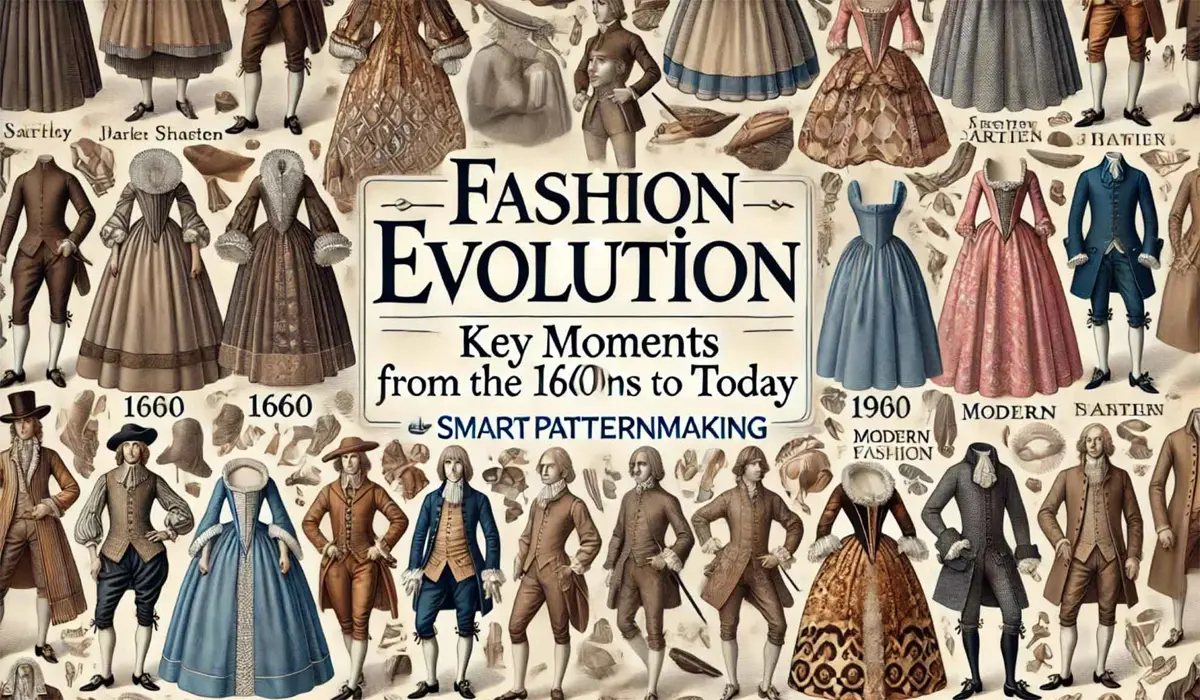
But some classic elements remain. This article will trace the journey of fashion from classical times to the contemporary era, revealing how design, materials, and lifestyles influence clothing choices throughout history. Check out the complete facts about From Classic to Contemporary, only at FASHION MARKET.
The Origins of Classic Fashion
Classical fashion can be traced back to the 18th and 19th centuries, when clothing served not only as body covering but also as a symbol of social status. In Europe, for example, clothing made of silk, velvet, and lace indicated one’s wealth and position in society. Clothing styles during this period tended to be symmetrical and formal, with sharp, clean silhouettes.
For women, long, flowing skirts, corsets, and elaborately decorated bodices were characteristic. For men, long tailcoats, waistcoats, and top hats conveyed elegance and authority. Classic fashion emphasized detail, symmetry, and elegance, which continues to inspire modern designers today.
20th-Century Fashion Revolution
Entering the 20th century, the world of fashion underwent dramatic changes. The Industrial Revolution brought access to new materials, mass production, and rapid lifestyle changes. This era saw the birth of prêt-à-porter, or ready-to-wear, fashion, which allowed more people access to quality clothing without having to custom-make from classic to contemporary.
The 1920s are known as the decade of the flapper dress, when women began wearing shorter skirts, moving freely, and expressing themselves without being tied to rigid rules. The 1950s ushered in feminine silhouettes with cinched waists and flared skirts, while men began to experiment with color and patterns in suits and everyday wear.
Read Also: Widely Worn By Influencers, This Fashion Style Is Still Rarely Known
Subcultural Fashion and Visual Experimentation
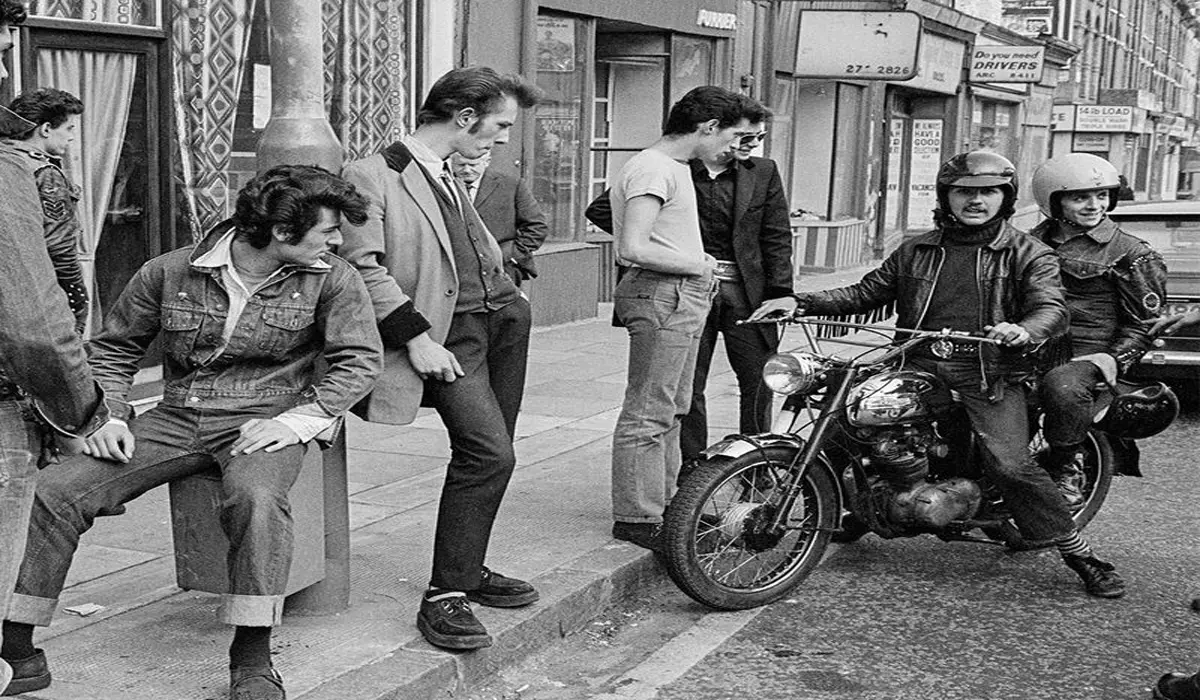
As popular culture evolved, fashion no longer remained confined to the mainstream. Subcultures began to influence trends with a more experimental approach. For example, the 1970s brought punk influences with leather jackets, chains, and boots, expressing rebellion and individuality from classic to contemporary.
The 1980s marked an era of glamour and excess, with shoulder pads, neon colors. And bold patterns reflecting economic optimism and urban spirit. Music and film also became important sources of inspiration, with celebrity style serving as role models for the wider public from classic to contemporary.
Digital Transformation and the Globalization of Fashion
Entering the digital age, fashion underwent an unprecedented transformation. The internet and social media enabled trends to spread rapidly across the globe. Influencers and fashion bloggers influenced consumer preferences, while e-commerce made access to international brands easier.
Globalization also brought significant cultural exchange. Designs from different parts of the world blended, creating unique hybrid trends. For example, ethnic motifs could be combined with modern silhouettes, resulting in pieces that both honored tradition and innovation. Technology has also brought innovations in materials, such as eco-friendly fabrics and smart clothing that can adjust body temperature or display LED lights as decorative elements.
Contemporary Trends and the Future of Fashion
Contemporary trends emphasize flexibility, comfort, and personal identity. Streetwear, athleisure, and minimalism have become part of the modern lifestyle, where aesthetics and function blend. Neutral colors, simple cuts, and high-quality materials are favorites in everyday life, while accessories add a touch of character without being overdone.
Furthermore, contemporary designers are increasingly emphasizing sustainability. Upcycling, the use of organic materials, and ethical production practices are key considerations. Consumers are also becoming more discerning, choosing products that are not only beautiful but also environmentally responsible. Thank you for taking the time to find out interesting information about, From Classic to Contemporary in FASHION MARKET, we will provide lots of other information.
Image Information Source:
First Image: smartpatternmaking.com
Second Image: mrporter.com
