The fashion industry is constantly changing. Trends move fast, technology grows quickly, and consumers become more selective every year.
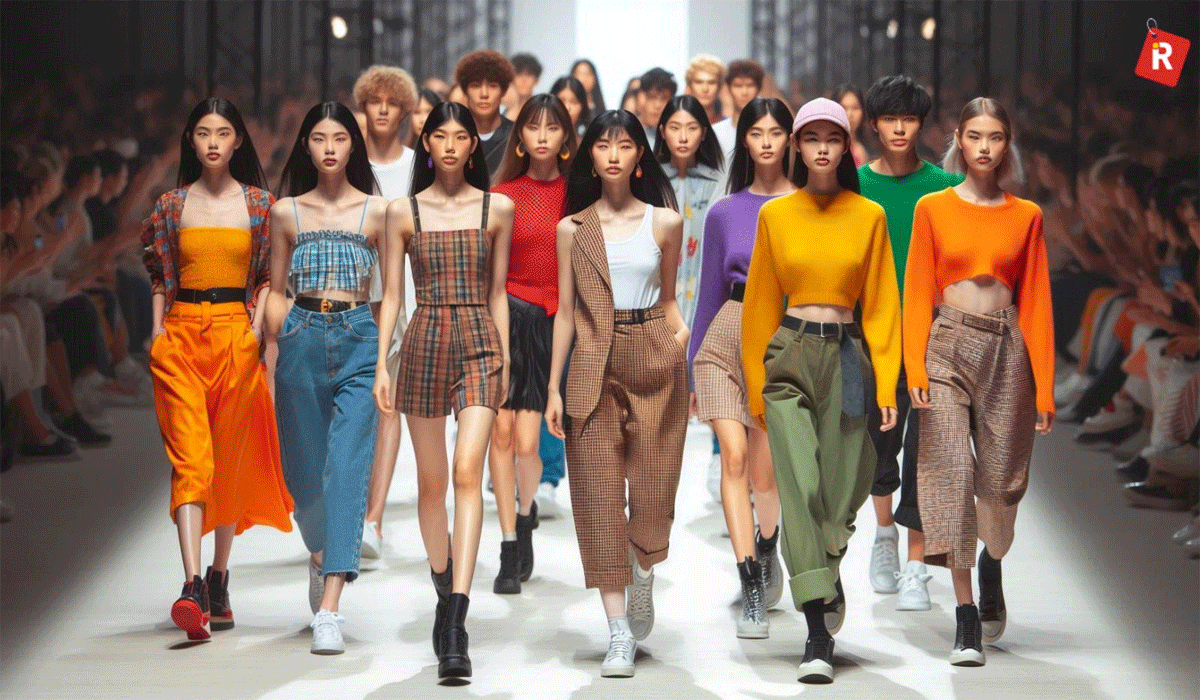
What was popular last season can easily be replaced by something new in just a few months. Therefore, understanding the latest changes in fashion is crucial not only for business owners but also for shoppers who want to stay relevant and confident in their style choices. Below, FASHION MARKET we’ll provide a more comprehensive discussion.
The Rise of Digital Fashion
The biggest shift in fashion has happened online. Today, many people prefer shopping through e-commerce platforms instead of visiting physical stores. Fashion brands now focus heavily on websites, mobile apps, and social media platforms like Instagram and TikTok to reach customers directly. Marketing has also changed. Brands no longer just show product photos; they tell stories to build emotional connections.
Through creative videos, influencer partnerships, and live shopping events, fashion companies engage customers in more personal and interactive ways. Technology such as virtual fitting rooms and AI-based recommendations makes online shopping easier. Customers can see how clothes might look on them before buying. This digital transformation has made the fashion market faster, smarter, and more competitive than ever before.
Sustainability Takes Center Stage
Sustainability has become a major focus in modern fashion. Many consumers are now aware of the environmental damage caused by fast fashion, including textile waste and pollution. As a result, they are choosing brands that care about the planet. Fashion companies are responding by using eco-friendly materials, reducing waste, and improving transparency in their production processes.
Some brands promote slow fashion, encouraging customers to buy fewer but higher-quality items that last longer. This shift shows that style is no longer just about appearance. Today, many shoppers want their clothing choices to reflect their values. Sustainability is not just a trend; it is becoming a long-term standard in the industry.
Read Also: Today’s Fashion: Between Creativity And Business Opportunities
The Power of Personal Style

In the past, fashion trends were mainly controlled by luxury designers and runway shows. Today, social media influencers and everyday users also shape what becomes popular. Anyone can share their outfit and inspire others online. Because of this, fashion has become more personal and diverse. .
There is no longer one single trend that everyone follows. Instead, people mix styles to create looks that represent their personality and lifestyle. Brands that offer inclusive sizing, flexible designs, and customizable options are gaining attention. Modern consumers want to feel unique, not identical to everyone else. Personal expression now plays a key role in fashion decisions.
Pop Culture and Brand Collaborations
Another strong trend in fashion is collaboration. Brands often work with celebrities, musicians, or entertainment franchises to create limited-edition collections. These partnerships attract attention and create excitement in the market. Such collaborations combine fashion with pop culture.
Clothing becomes more than fabric, it carries stories, identity, and cultural meaning. Fans feel connected not just to the product, but also to the personality or brand behind it. Limited releases also create urgency. When items are available for a short time, demand increases. This strategy helps brands strengthen customer loyalty and stand out in a crowded market.
Data and Technology Drive Trends
Fashion companies now rely heavily on data to understand customer behavior. By analyzing online searches, social media engagement, and sales patterns, brands can predict upcoming trends more accurately. Technology also improves production systems. Faster supply chains and made-to-order models help reduce excess inventory.
This lowers costs and minimizes waste, making operations more efficient. With data and innovation, the fashion industry has become more responsive to consumer needs. Instead of guessing what people want, brands can now make informed decisions based on real insights.
Conclusion
The fashion industry is evolving through digital innovation, sustainability, personal expression, cultural collaboration, and data-driven strategies. Fashion today is not only about clothing, it reflects identity, values, and lifestyle. Understanding these changes helps both businesses and consumers stay ahead in a fast-moving and competitive market.
To stay ahead of the curve in this rapidly changing industry, keep exploring the latest insights, innovations, and market updates in fashion. Discover more in-depth articles and expert analysis through our Related Resources to better understand how trends continue to shape the future of style and lifestyle.
Image Source From
- First Photo From: vocal.media
- Second Photo of: www.mirastyle.app
