Accessorizing is both an art and a skill. It requires attention to detail, awareness of proportions, and a sense of personal style.

The art of accessorizing lies not only in choosing the right pieces but also in understanding how each item interacts with your overall look. When done well, accessories can transform a simple ensemble into a statement, turning everyday attire into a stylish expression of individuality.
The following will FASHION MARKET explain about The Art of Accessorizing Transforming Outfits With Style.
Understanding The Role of Accessories
Accessories serve multiple purposes in fashion. Beyond aesthetics, they communicate a person’s style, highlight features, and even influence perceptions.
For example, a bold necklace draws attention to the neckline, while a colorful scarf can brighten a neutral outfit. Accessories also allow for versatility one dress can transition from a casual day look to an evening ensemble simply by changing shoes, jewelry, or bags.
The key to understanding accessorizing is recognizing that less is often more. Over-accessorizing can overwhelm an outfit, while thoughtful selections elevate it. Accessories should complement, not compete with, the clothing. Their role is to highlight, enhance, and transform rather than overshadow.
Choosing Accessories That Match Your Outfit
Selecting accessories begins with considering color, proportion, and style. Colors should either harmonize with or contrast intentionally with the outfit. For instance, a monochrome look can benefit from a pop of color through shoes or a handbag, while bold patterns may call for more subdued accessories.
Proportion is equally important. Large statement pieces can overpower delicate clothing, whereas tiny accessories might get lost on a bold ensemble. For example, chunky earrings pair well with minimalist tops, but subtle studs may complement heavily detailed blouses. The goal is balance each accessory should feel like a natural extension of the outfit.
Style consistency is another crucial factor. Accessories should reflect the overall mood or theme of your attire. A vintage-inspired dress might shine with retro-inspired earrings and a classic clutch, whereas contemporary outfits often call for sleek, minimalist pieces. By aligning accessories with style, your ensemble feels cohesive rather than disjointed.
Baca Juga: The Impact of Global Style Movements on Local Fashion Markets
Making Your Outfit Pop
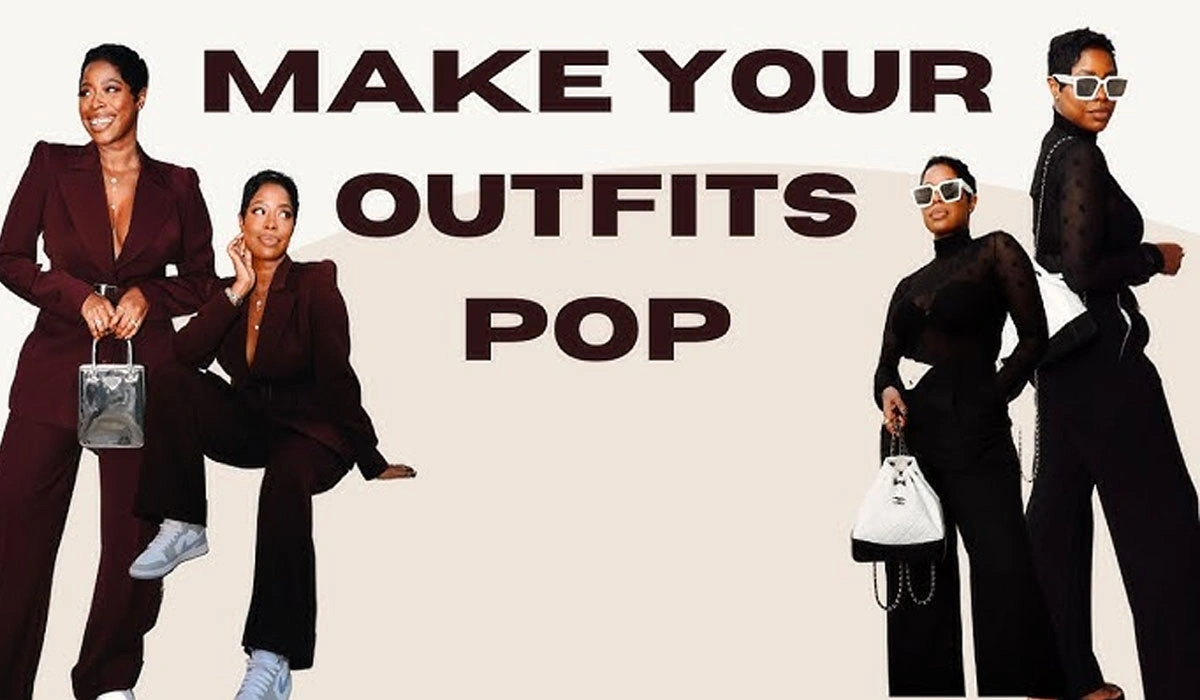
Statement accessories are the focal points that draw attention and convey confidence. Bold necklaces, oversized hats, patterned scarves, or striking belts can instantly transform an ordinary outfit into something extraordinary. Statement pieces work best when used sparingly, as they are meant to be the highlight rather than blend into the background.
For instance, a plain black dress can come alive with a chunky gold necklace, bright shoes, or a patterned clutch. Conversely, a casual outfit of jeans and a t-shirt can appear elevated with a colorful scarf or distinctive belt. Statement accessories allow personal style to shine, expressing creativity while giving the outfit a curated, intentional feel.
The secret lies in moderation pair one or two standout pieces with simpler, understated items to avoid visual clutter. This balance ensures that the accessory enhances your outfit rather than overwhelming it.
Layering And Mixing Accessories
Layering is a technique that adds depth and dimension to your look. Combining multiple pieces such as stacking bracelets, layering necklaces, or pairing rings creates visual interest and a sense of richness. Mixing metals, textures, and lengths can also contribute to a dynamic, personalized appearance.
However, the key to successful layering is cohesion. Pieces should share a common theme or color palette to prevent the ensemble from appearing chaotic.
For instance, mixing gold and silver can work if done intentionally, or layering delicate necklaces of varying lengths creates movement without looking cluttered. Similarly, stacking rings with coordinated tones or patterns can elevate an outfit while maintaining harmony.
Layering is particularly effective for casual or bohemian styles, where the relaxed mix of accessories feels natural and effortless. For professional settings, more restrained layering conveys elegance and sophistication, proving that versatility is one of accessorizing’s greatest strengths.
Stay tuned and don’t miss out on the FASHION MARKET proving that versatility is one of accessorizing’s greatest strengths.
