Fashion is more than fabric and trends it is a powerful communication tool that shapes how individuals are perceived.
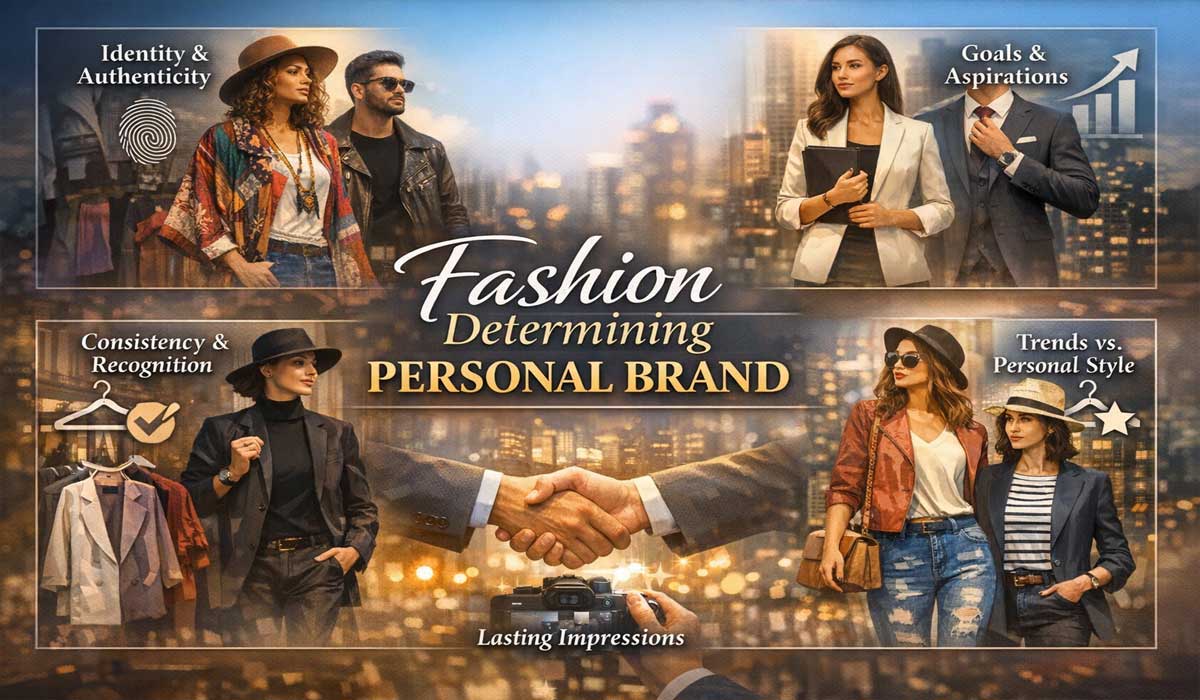
The way a person dresses often becomes a visual representation of their identity, values, and ambitions. In today’s fast-paced, image-driven world, fashion plays a critical role in building a personal brand that stands out, resonates, and leaves a lasting impression across both personal and professional spaces.
Understanding the Connection Between Fashion and Identity
Fashion reflects personal identity by showcasing individual preferences, cultural influences, and lifestyle choices. What someone chooses to wear can communicate confidence, creativity, discipline, or even rebellion. This silent language helps others form initial impressions, often before a single word is spoken.
A strong connection between fashion and identity enables individuals to express authenticity. When people dress in alignment with who they truly are, it creates a sense of consistency and trust. This authenticity becomes the foundation of a personal brand that feels genuine and relatable to others.
The Role of Consistency in Personal Branding
Consistency in fashion choices is essential when building a recognizable personal brand. Repeating certain styles, colors, or signature pieces helps create a visual identity that others can easily remember. Over time, this repetition strengthens recognition and association.
However, consistency does not mean being monotonous. It involves maintaining a cohesive style while allowing room for subtle evolution. By balancing consistency with adaptability, individuals can stay relevant without losing the essence of their personal brand.
Dressing for Your Goals and Aspirations
Fashion can be used strategically to align with personal and professional goals. Dressing in a way that reflects where you want to be, rather than where you are, can influence how others perceive your capabilities and potential. It acts as a form of non-verbal ambition.
When individuals dress with intention, they often feel more confident and prepared. This confidence translates into behavior, communication, and performance. As a result, fashion becomes a tool not only for external perception but also for internal empowerment.
Read Also: Smart Clothing Choices: Blend Comfort, Style, and Confidence
The Influence of Trends vs. Personal Style
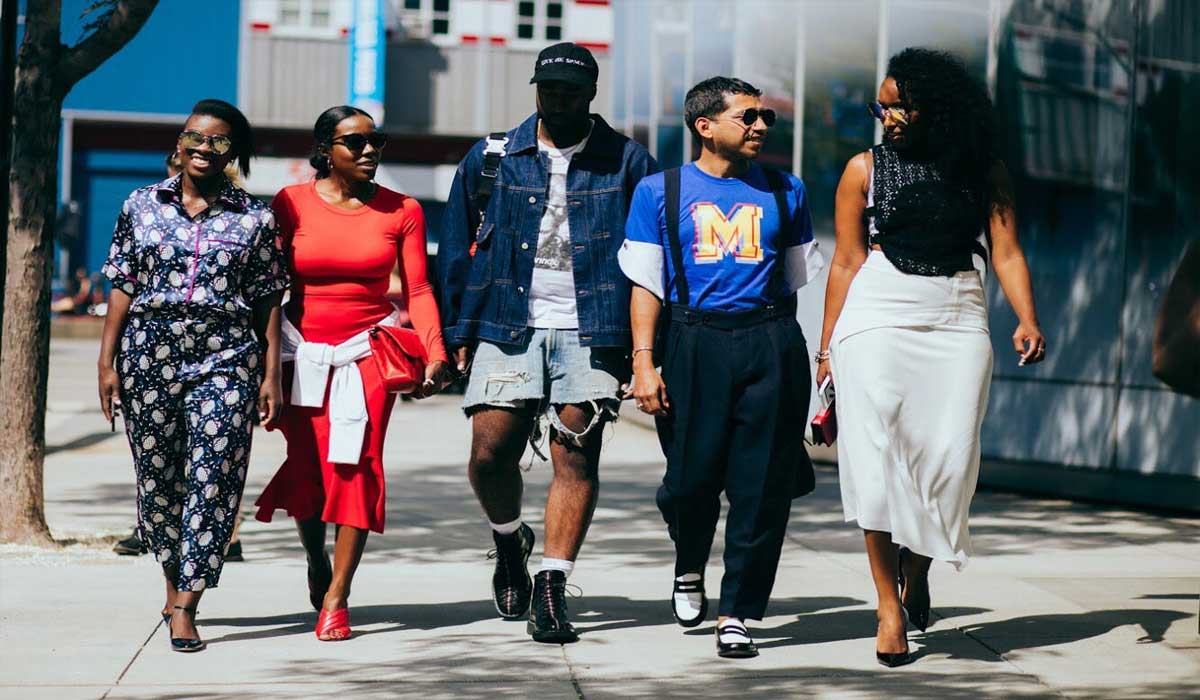
Trends play a significant role in shaping the fashion industry, but blindly following them can dilute personal identity. While trends can inspire creativity and keep a wardrobe fresh, they should be adapted to fit individual preferences rather than dictate them entirely.
Developing a personal style requires understanding what works best for one’s body, personality, and lifestyle. By selectively incorporating trends into a well-defined style, individuals can remain modern while preserving a distinct and authentic personal brand.
Building a Lasting Impression Through Fashion
First impressions are often lasting, and fashion plays a major role in forming them. A well-curated outfit can communicate professionalism, attention to detail, and self-awareness. These qualities are essential in both social and professional interactions.
Over time, consistent and thoughtful fashion choices help reinforce a personal brand. People begin to associate certain qualities with an individual based on their appearance. This lasting impression can open opportunities, build trust, and strengthen one’s overall presence in any environment.
